

Last updated October 31, 2026
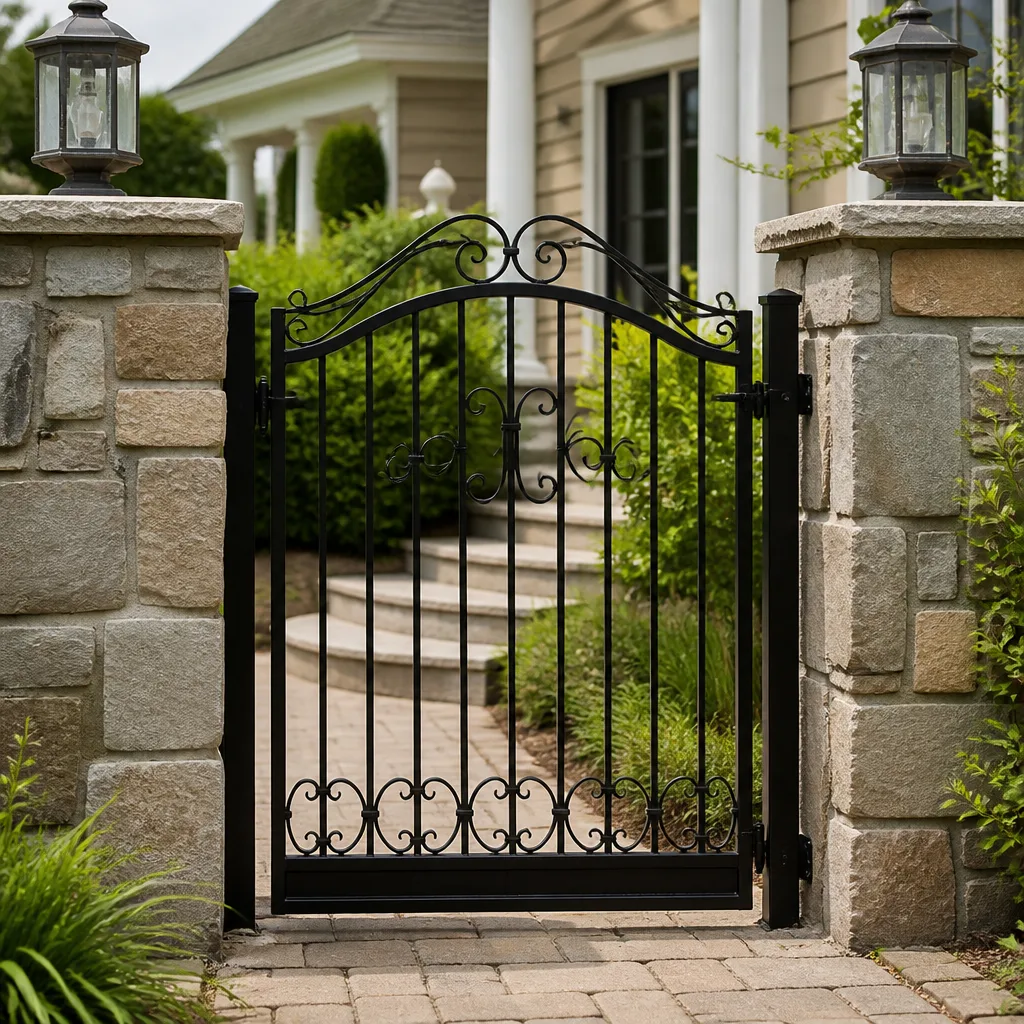 Wrought iron
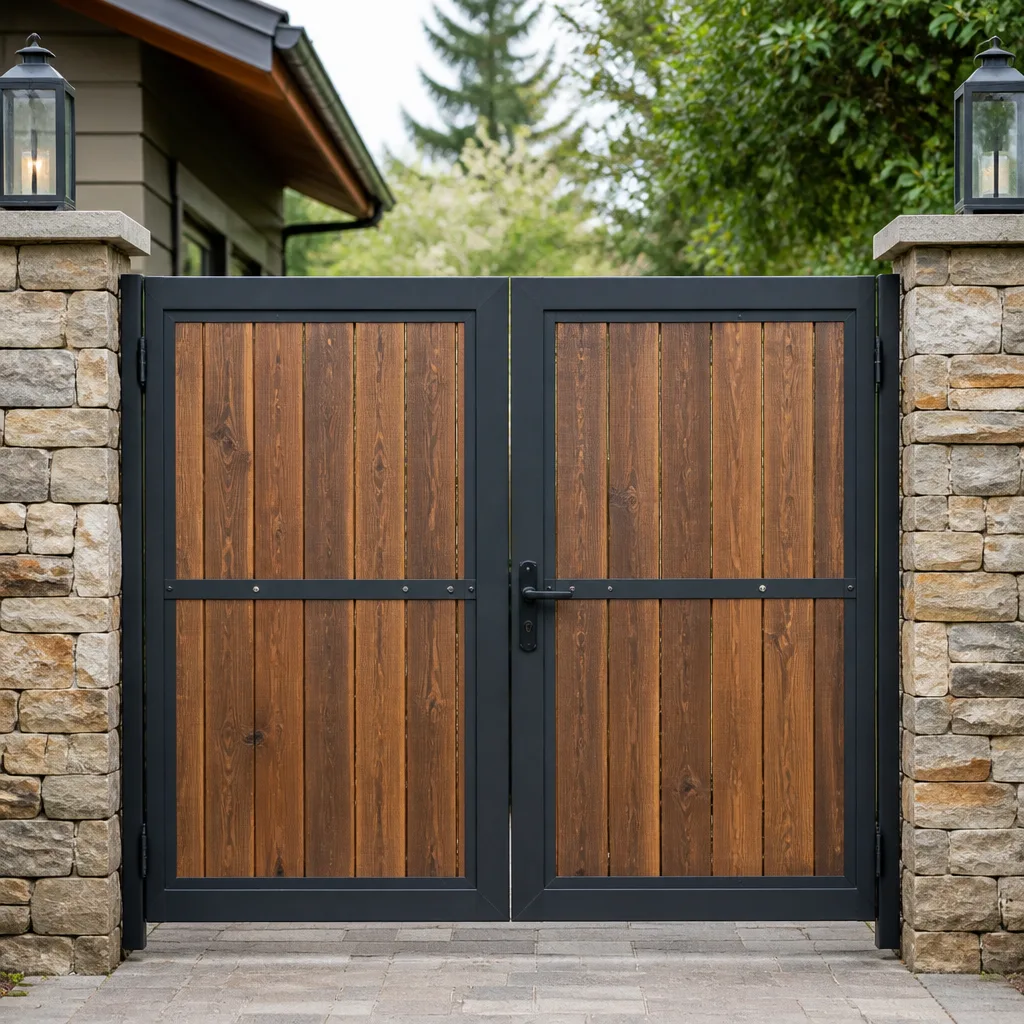 Wood & steel frame
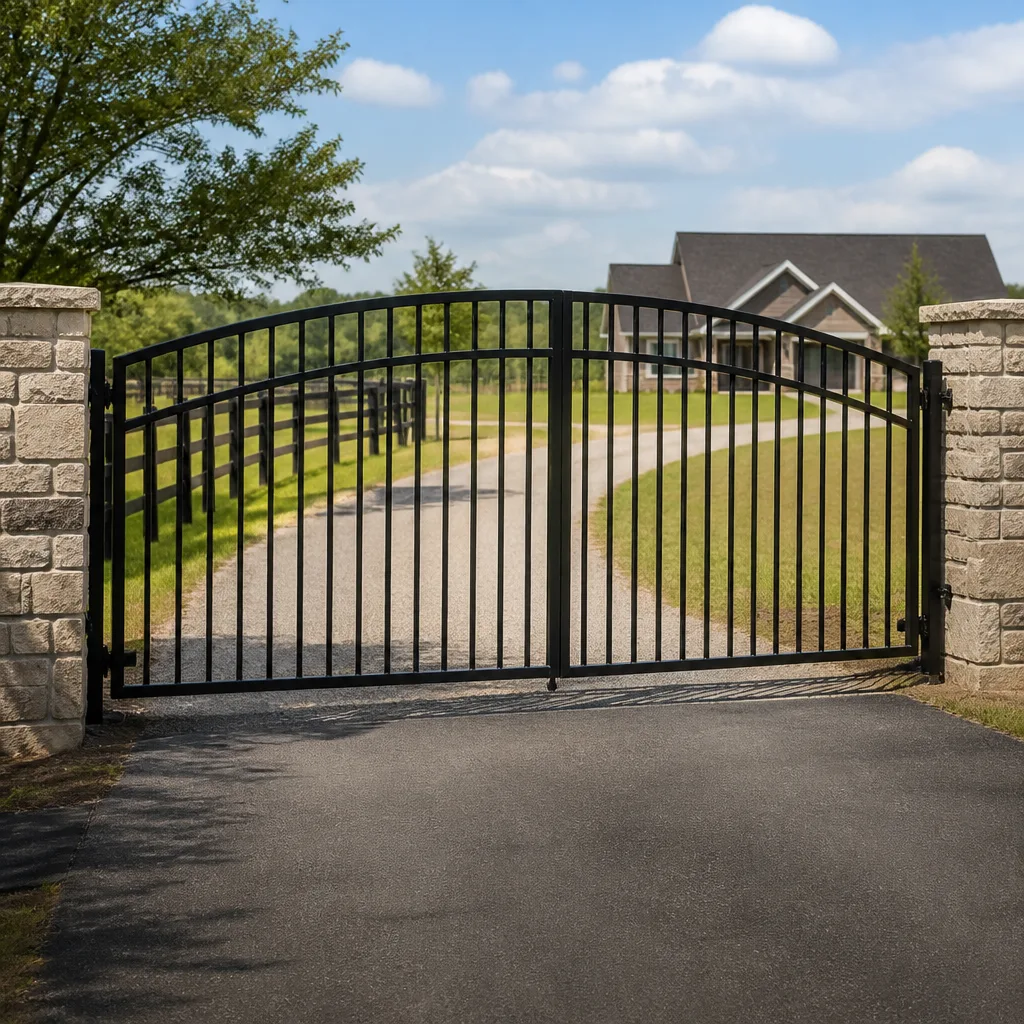 Farm & ranch
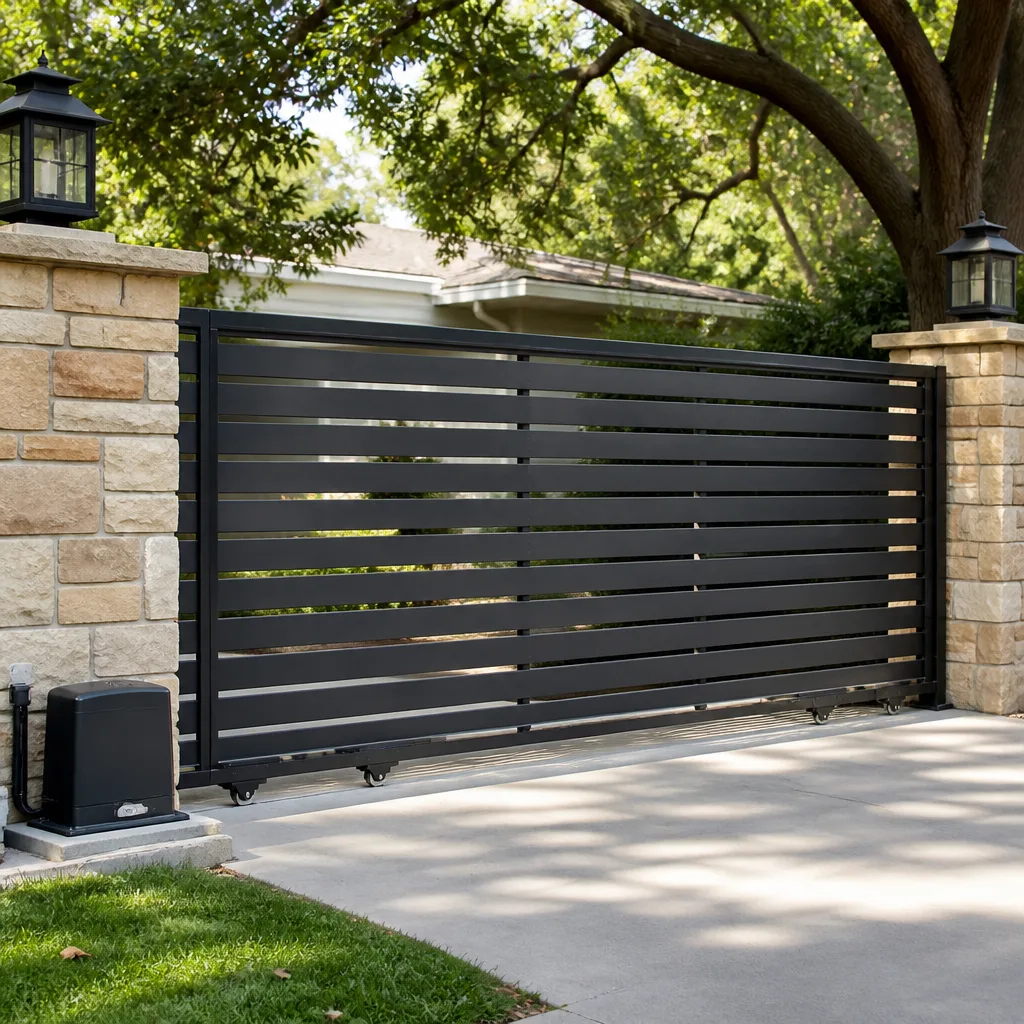 Sliding driveway gates
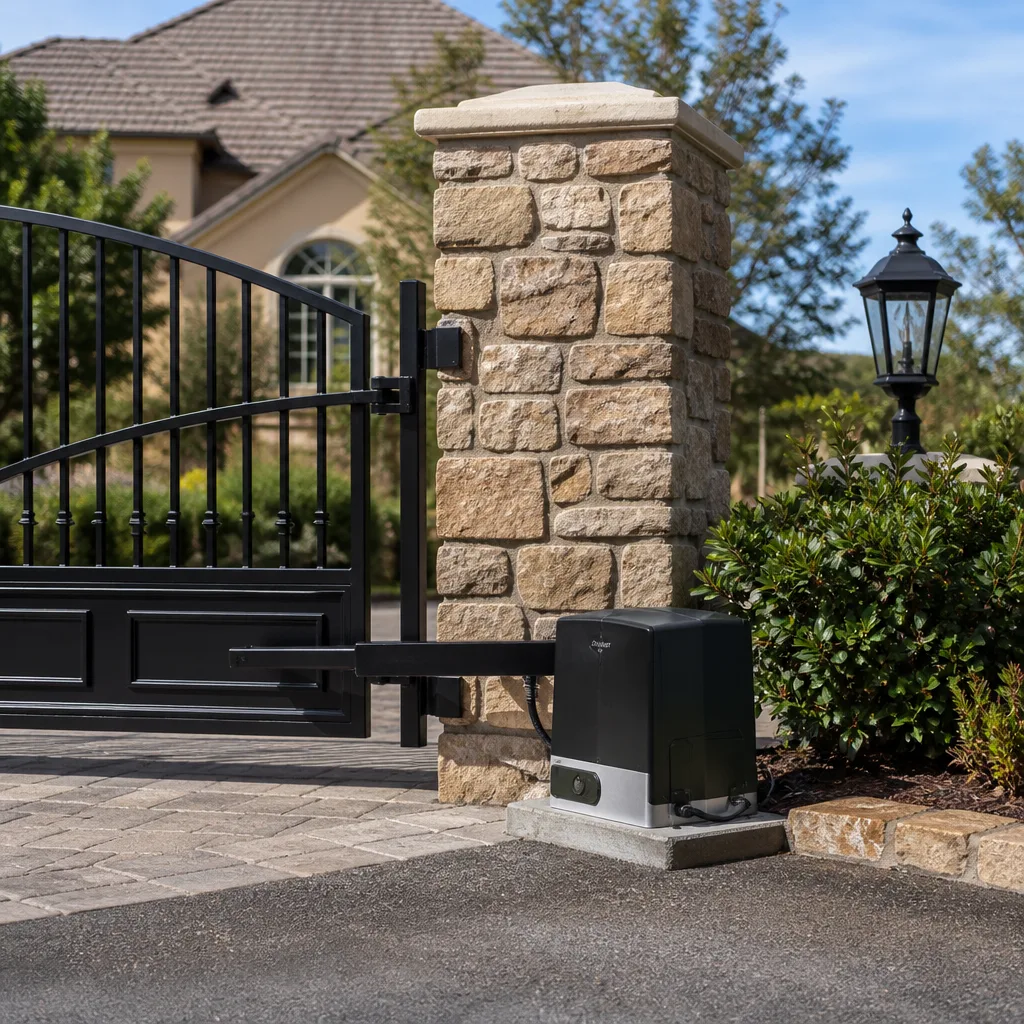 LiftMaster operators
Free on-site gate assessment - hinges, posts, and your LiftMaster or Nice gate operator checked before anything is quoted
The assessment is free and the quote is the invoice.
Get your free estimateThe Complete Gate Repair Guide for San Diego Homeowners
The salt air off Mission Bay can corrode a gate operator’s circuit board in under 18 months, yet most repair guides were written for landlocked climates and never mention it. That’s the gap this guide fills. We’re going to walk through how San Diego’s specific environment (coastal humidity, marine layer, clay soil, HOA density) creates gate failure patterns you won’t find in generic advice, and what to do about each one. By the end, you’ll know which repairs you can handle, which require a California licensed contractor, and how to keep an automated gate running past the 10-year mark without replacing it early. This is the guide we wish every San Diego homeowner had before calling for gate repair in San Diego.
Quick Answer
Gate repair in San Diego typically costs between $145 and $800 depending on whether you’re fixing a hinge, a circuit board, or a full operator system, and most residential repairs can be completed in one visit. The most common failures we see across San Diego are corrosion-related (from coastal salt air and marine layer moisture), which means the fix is often a component replacement rather than a full new gate. For an exact diagnosis and a written quote before any work begins, call San Diego Gate Company home at (877) 517-5469.
Styles & brands we work with
Table of Contents
- How San Diego’s Climate Creates Gate Problems Other Regions Never See
- The Most Common Gate Repairs in San Diego (and What They Cost)
- Residential Driveway Gates vs. HOA Community Gates: The Repair Difference
- What a Homeowner Can Legally DIY vs. What Requires a Licensed Contractor in California
- Why Spring Is When San Diego’s Gate Damage Shows Up
- Electric Gate Repair vs. Manual Gate Repair: Different Failure Modes
- A Preventive Maintenance Calendar for San Diego Gates
- How to Choose a Gate Repair Contractor in San Diego
How San Diego’s Climate Creates Gate Problems Other Regions Never See
San Diego’s coastal zones, Point Loma, La Jolla, Ocean Beach, Coronado, Pacific Beach, and everything west of the I-5, live in a salt-fog environment most of the year. The marine layer that rolls in at dusk doesn’t just make your patio furniture damp. It deposits a fine saline film on electronic components, terminals, and exposed metal surfaces. On a gate operator, that film becomes the starting point for electrolytic corrosion on circuit boards and limit switches. We’ve opened operator housings in La Jolla where the board looked like it had been dipped in saltwater. The gate was three years old.
Compare that to inland San Diego: Rancho Bernardo, Scripps Ranch, Poway, El Cajon. These areas face a different issue entirely. The soil in San Diego’s inland valleys is heavy clay, expansive and shrink-swell by nature. When dry clay contracts and wet clay expands, gate posts and column footings move. A gate that swung freely in September can drag or bind by January, even without a single storm. That post movement throws the gate leaf out of square, which then overworks the hinge bearings and places lateral load on the operator’s gearbox. The gate didn’t fail because it was cheap. The ground under it moved.
Then there’s UV exposure. San Diego averages around 266 sunny days a year. The sun doesn’t mainly damage the gate itself; it degrades the plastics, wiring insulation, keypad membranes, and photocell housings. We see brittle keypad buttons on west-facing installations in Tierrasanta and Mira Mesa within two or three summers. In coastal zones, the UV and salt work together: UV cracks the protective coating, salt gets into the crack, corrosion starts underneath.
This isn’t a generic “weather happens” warning. It’s a checklist of what to inspect on your gate twice a year, and it’s going to explain most of the repair patterns below. For deeper background, see The Complete Guide to Gate Repair in San Diego.
The Most Common Gate Repairs in San Diego (and What They Cost)
Here’s the direct answer: In San Diego, a basic hinge or bracket repair runs $145 to $350. A circuit board replacement runs $280 to $650 installed, depending on the operator brand. A complete operator swap, motor plus board plus arm, runs $850 to $1,900 for most residential systems. Here’s the fuller breakdown, including the repairs we see most often and the price range you should expect from a licensed gate specialist:
- Hinge and bracket repair/replacement: $145 to $400. Welded steel hinges on a residential swing gate, or adjustable hinges on a gate that has sagged. This is the most common repair we do after a post shifts.
- Circuit board replacement: $280 to $650. Salt corrosion and power surges are the usual culprits. Boards for Linear and Viking operators are commonly stocked, so wait time is minimal.
- Limit switch replacement or adjustment: $130 to $260. The switch that tells the gate when to stop opening or closing. Coastal corrosion targets limit switches aggressively.
- Photocell (safety eye) replacement: $110 to $240 per set. Photo eyes get hit by sprinklers, sun-faded, and fogged. A misaligned or dead photo eye means the gate reverses or refuses to close.
- Operator arm replacement: $300 to $700. Piston-style and articulated arms wear out faster on heavy gates, especially in inland areas where dust gets into the seal.
- Full operator system replacement: $850 to $1,900 for residential. FAAC and BFT systems trend toward the upper end because parts typically come from specialized supply channels.
- Gate wheel or roller replacement: $90 to $280 for slide gates. Slide-track gates are common in commercial settings and some East County residential properties. A seized roller will chew up the track if ignored.
- Keypad, receiver, or intercom repair: $100 to $350. UV-brittle keypads are a San Diego signature. We’ve replaced keypads in Rancho Peñasquitos that literally crumbled when the homeowner pressed a button.
Every price above is quoted and agreed before any work starts. You will know the full cost before our technician touches a screwdriver. No surprise invoices, no “we found something else” add-ons that weren’t run past you first. If the diagnosis changes mid-repair, we stop and re-quote. That’s the only way Gate Repair services should work in San Diego or anywhere else.
Residential Driveway Gates vs. HOA Community Gates: The Repair Difference
San Diego has a higher density of master-planned communities than almost any other metro in California. Otay Ranch, Rancho Bernardo, 4S Ranch, Del Sur, Civita in Mission Valley, and large swaths of Chula Vista all operate under HOA-governed community gates. If you serve on an HOA board or manage a community, you already know the repair process on a community entrance gate is not the same as a single-family driveway gate. But here’s the technical breakdown, because it matters for budget and downtime.
A residential driveway gate is usually a single swing leaf or slide panel, powered by a residential-class operator: a Linear, a Mighty Mule, a Ghost Controls. When it fails, one household is affected. The repair is typically a single-visit job, parts are standardized, and the homeowner makes the call. The gate’s duty cycle is low: maybe 20 to 40 cycles a day.
A community entrance gate in Otay Ranch or 4S Ranch is a different animal. These are typically double swing gates or high-cycle slide gates running 200 to 800 cycles per day, every day. The operator is commercial-grade: a DoorKing, a LiftMaster CSL, a Viking. Parts for Viking operators, in particular, have longer lead times because they’re not sitting on every supplier’s shelf in San Diego. The gate is tied into access control: telephone entry, transponder readers, fire department override, visitor management software. HOA regulations usually require the gate to be back in operation within 24 to 48 hours, which means repair scheduling isn’t a convenience conversation, it’s a compliance conversation.
There’s also the permitting angle. Many San Diego HOAs, especially in newer communities like Del Sur and Otay Ranch, require any gate hardware change to go through the architectural review committee before work begins. If the repair changes the physical appearance of the gate, the operator post, or the bollards, the work may need written HOA approval. A specialist who’s worked in these communities knows what to file and when. A general handyman typically doesn’t. Electric gate repair in San Diego on HOA property almost always involves more paperwork than the repair itself.
What a Homeowner Can Legally DIY vs. What Requires a Licensed Contractor in California
Let’s be clear about the legal line, because we’d rather tell you the truth than take a job you could have done yourself. Under California law, minor gate maintenance and non-structural repairs are legal for homeowners on their own property. That means you can lubricate hinges, tighten bolts, replace a keypad battery, clean photo eyes, and even replace a handheld remote. California’s contractor licensing law (the Contractors State License Board, CSLB, sets the rules) allows property owners to perform work on their own residence without holding a contractor’s license, provided the work is not structural and does not involve the electrical service feeding the gate. For help deciding what’s safe to tackle, read our DIY vs Professional Gate Repair: The San Diego Homeowner’s Decision Guide.
Here’s a practical breakdown:
- You can do: Lubricating hinges and wheels, adjusting a sagging gate with a turnbuckle (if the post is sound), replacing remote batteries, reprogramming remotes and keypads, cleaning photocell lenses, tightening loose hardware, and painting surface rust after wire-brushing.
- You should not do: Any repair requiring welding on structural gate frames or posts. Welding a cracked post or gate frame is structural work and, if the post is load-bearing for the gate system, the weld quality directly determines whether the gate falls on someone. This is where a licensed contractor with a Class C-61/D-28 (specialty gate) or a C-10/C-16 electrical classification comes in.
- Do not touch: Any 120V or 240V electrical feed to the operator. The operator’s low-voltage side (24V) is safe to inspect, but the line voltage side is not. If you open an operator housing and see line-voltage wire nuts, close it and call a professional. The same goes for any service requiring the main breaker to be pulled.
- Permits and HOAs: If you’re replacing a whole gate or operator pedestal and your community has an HOA, the architectural application is legally your responsibility as the owner, not the contractor’s (though a good contractor tells you this and helps with the forms). If the gate is on a shared wall or shared driveway, California Civil Code requires neighbor notification before structural work begins.
When a repair involves a high-tension component, a gate spring or a counterweight cable, don’t work on it yourself. A tensioned spring under load can release with enough force to break bone. This isn’t a “be careful” warning. It’s a “don’t do it” warning. We’ve seen the aftermath, and the hospital bill makes a $300 repair look like pocket change.
Why Spring Is When San Diego’s Gate Damage Shows Up
San Diego’s mild winters create a false sense of security. The gate worked fine in December, January, February, so it’s fine, right? Not exactly. Here’s the seasonal pattern we’ve observed over years of repairs across San Diego County:
In fall, the first Santa Ana winds bring dry, dusty air. That dust settles into operator housings, limit switches, and gear boxes. In winter, the marine layer rolls in and light rains raise the relative humidity. The dust that accumulated in fall turns into a gritty slurry inside the operator. The soil in inland areas absorbs moisture and expands, shifting posts by a quarter inch or less, just enough to change the gate’s swing arc. Through it all, the gate keeps working because the damage is cumulative and below the failure threshold.
Then spring arrives. The soil dries and contracts, the gate settles back into a different position than where it sat all winter, and the operator, now working against a misaligned swing arc with gritty, dried slurry in its gear train, finally trips a limit switch or burns a motor capacitor. The homeowner calls in March or April, says “it just stopped working all of a sudden,” and the truth is it’s been failing for five months.
The fix isn’t just “repair what’s broken.” The fix is a spring inspection that catches the post shift before it takes out the operator. Early intervention costs $150 to $250. An operator that’s been fighting a misaligned gate for a full season needs a $900 replacement. The pattern is predictable because San Diego’s climate is predictable. You can use that to your advantage.
Electric Gate Repair vs. Manual Gate Repair: Different Failure Modes
We repair both, but the failure patterns are completely different. A manual gate fails physically: hinges wear, posts shift, the latch binds, the gate drags on the driveway. The fixes are mechanical. New hinge bearings, post re-setting, welding a cracked weld, re-hanging the gate leaf.
An electric gate fails electro-mechanically. The operator’s motor is connected to the gate through a drive mechanism: a swing arm, a slide chain, a piston. When that mechanism is overworked, the motor draws more current than it was designed for. Excess current means excess heat. Heat kills capacitors, melts wire insulation, and eventually destroys the motor winding. But the root cause is often mechanical. The operator is trying to move a gate that has become too heavy to move freely. Fixing the operator without fixing the mechanical drag means the new operator dies the same way the old one did.
That’s why our diagnostic process on electric gates starts with the gate itself, not the electronics. We disconnect the operator and swing the gate by hand. If it doesn’t swing freely, we fix that first. Then we test the electronics. This order saves our customers money, because replacing a $1,200 operator on a gate that’s binding is just throwing money at the symptom.
The brands we work on most in San Diego: FAAC and BFT systems are common on newer European-style communities and upscale residential properties. Linear is everywhere, especially in North County and East County neighborhoods where operators were installed in the 2000s. Viking shows up on commercial and high-end residential gates, often tied to telephone entry systems. We carry parts or have fast supply access for all of them, and we’re brand-agnostic by design. If the right fix is a component replacement on your existing BFT system, we’ll say so. We won’t quote you a full new LiftMaster just because we’d rather sell an installation.
A Preventive Maintenance Calendar for San Diego Gates
Here’s the maintenance schedule we recommend to every homeowner and HOA manager who asks. It’s built around San Diego’s specific seasonal patterns, not a generic template; for more guides & resources, visit our blog:
March (post-rainy-season check):
- Inspect gate posts for any new crack in the surrounding concrete or soil. A hairline crack in March is a good predictor of binding by August.
- Cycle the gate open and closed 5 times. Listen for any change in motor pitch or a new grinding sound. These sounds precede failures by weeks, not days.
- Check the operator housing for evidence of moisture, especially on coastal properties. Any haze on the board or white crust on terminals means salt intrusion is starting.
- Clean photo eye lenses with a dry microfiber cloth. Do not use glass cleaner; the residue films the lens and refracts the beam.
June (pre-Santa Ana dry season check):
- Lubricate all hinge points and wheel bearings with a dry silicone or lithium spray. Do not use WD-40, which attracts dust and creates a grease-and-grit paste that accelerates wear.
- Check for play in the gate leaf. Lift it at the latch side. More than a quarter inch of vertical play means the hinge bearings are wearing.
- Test the auto-reverse function. Place a 2×4 or a traffic cone in the gate’s path and close the gate. It should reverse immediately. If it doesn’t, the safety system is compromised.
- On slide gates, check the track for debris and check the drive chain tension. Coastal wind blows sand and light debris into tracks; inland wind blows dust and leaves.
September (post-summer heat check):
- Inspect all exposed wiring for UV cracking, especially on keypads, receivers, and photocell housings. West-facing equipment ages twice as fast.
- Check the operator’s internal cooling fan (if equipped). Dust from the dry season clogs fan intakes, leading to heat-related shutdowns.
- Review access codes and remote inventories. Revoke any former tenant, contractor, or house-sitter codes. San Diego’s transient renter population makes this more urgent than in other cities.
December (pre-winter moisture check):
- Confirm drainage around the gate posts. Soil that holds water at the base of a post will heave that post over the course of a single wet season.
- Apply a corrosion inhibitor to exposed metal components on coastal properties. A product like CorrosionX or Boeshield T-9, applied to hinge pins, springs, and brackets, adds measurable life.
- Run the gate through a full open-close cycle at 6am, when the marine layer is thickest. Fog beyond a certain density can phantom-trip the photo eye. If the gate reverses randomly on foggy mornings, the photo eye beam is scattering.
How to Choose a Gate Repair Contractor in San Diego
Here’s how to filter the field. San Diego has no shortage of “gate repair” listings, but most of them are general handyman services or garage door companies that added gates as a side offering. Nothing wrong with that, but a gate is not a garage door, and a technician who spent the morning on a torsion spring repair isn’t the same as one who knows why a Viking telephone entry board isn’t receiving the fire department’s Knox switch signal.
Ask these four questions before you schedule:
- “Is gate repair your primary trade, or one of several?” The answer tells you what kind of specialist you’re getting. San Diego Gate Company is a pure-play gate shop. Gates are the entire trade, not a secondary line.
- “Which operator brands do your techs actually service, and do they stock parts for them?” A contractor who “can look at any brand” is not the same as one who can diagnose a BFT board fault from memory and has the replacement part on the truck. We’re trained across nine major brands, including FAAC, BFT, Linear, and Viking.
- “Do you quote before you work?” The right answer is yes, always. A quoted price agreed before work begins is non-negotiable for any legitimate gate repair business. If a contractor won’t commit to a written price before touching the gate, end the conversation.
- “Do you handle both repair and installation?” Some companies only do repairs and will tell you a replacement is needed just to close a job. Others only install and won’t entertain repairs. You want a shop that does both, because that means the repair vs. replace recommendation is honest. Gate installation in San Diego is part of our service, but we’d rather repair a gate that has five good years left than sell you a new one you don’t need.
Common Mistakes to Avoid
- Ignoring a gate that’s running slower than it did a year ago. A slowing gate is a gate with increasing mechanical resistance. That resistance is eating your operator from the inside. The longer you wait, the more expensive the eventual repair.
- Using the wrong lubricant. WD-40 and similar penetrating sprays are not lubricants. They displace moisture and then evaporate, leaving metal-on-metal contact behind. In San Diego’s dry season, dust clings to the residue and turns it into grinding paste. Use dry silicone or lithium grease only.
- Replacing the operator without checking the gate’s mechanical condition. If the gate doesn’t swing freely by hand before the new operator goes on, the new operator is already on its path to failure. A proper installation includes a mechanical gate check first.
- Assuming coastal and inland gates need the same maintenance. A Point Loma gate needs corrosion protection every six months. A Rancho Bernardo gate needs post-movement monitoring every six months. Applying the wrong maintenance to the wrong environment wastes time and money.
- Not checking HOA requirements before doing visible repairs. Many San Diego communities, especially in master-planned areas, require architectural approval for gate hardware changes. Doing the work first and asking later can mean fines, forced removal, and a very awkward board meeting.
- Deleting old access codes but keeping the same gate. If you’ve had contractors, tenants, pet sitters, or housekeepers with a gate code or a remote, rotate all access after any service relationship ends. Gate security only works if the code list is current.
- Waiting until the gate completely stops to call. By the time a San Diego gate fails completely, the root cause has usually been developing for months. Early diagnosis usually costs $150 to $250. Late diagnosis costs $800 to $1,500.
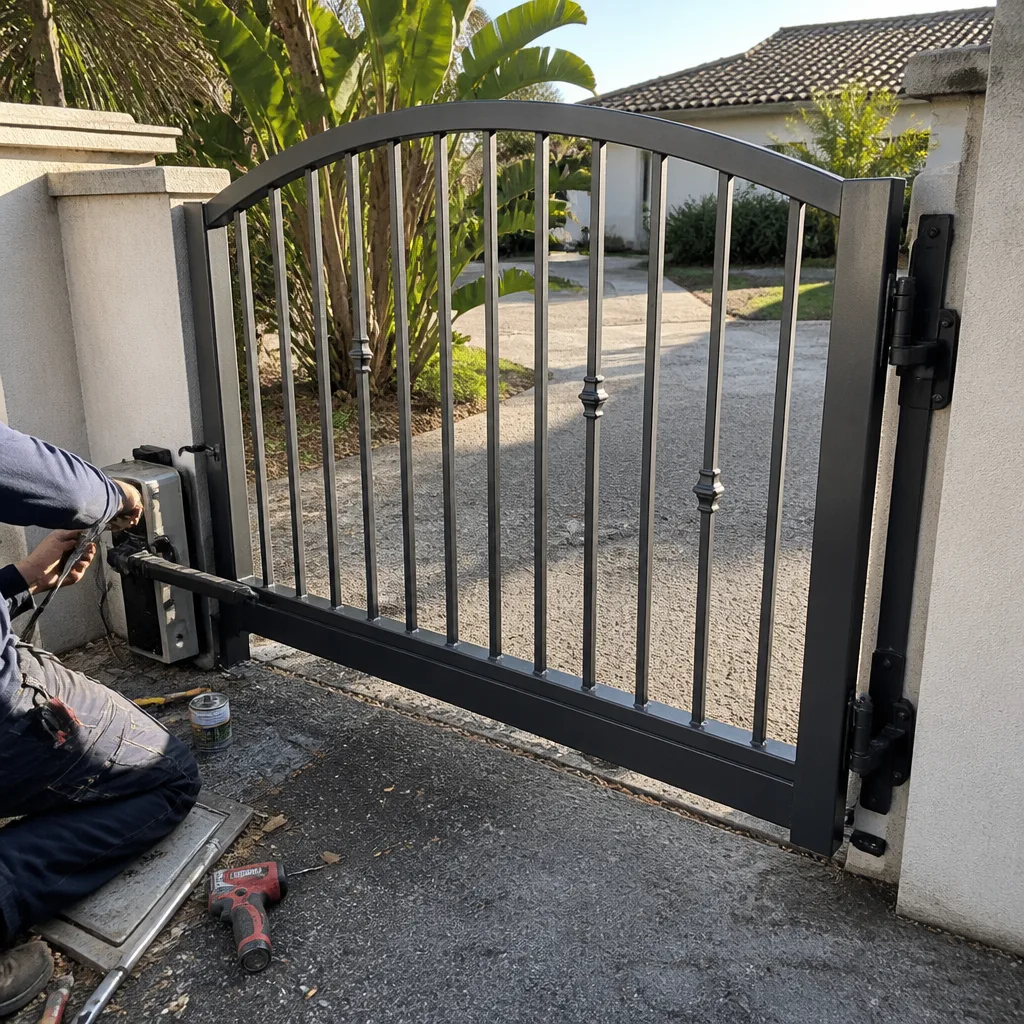
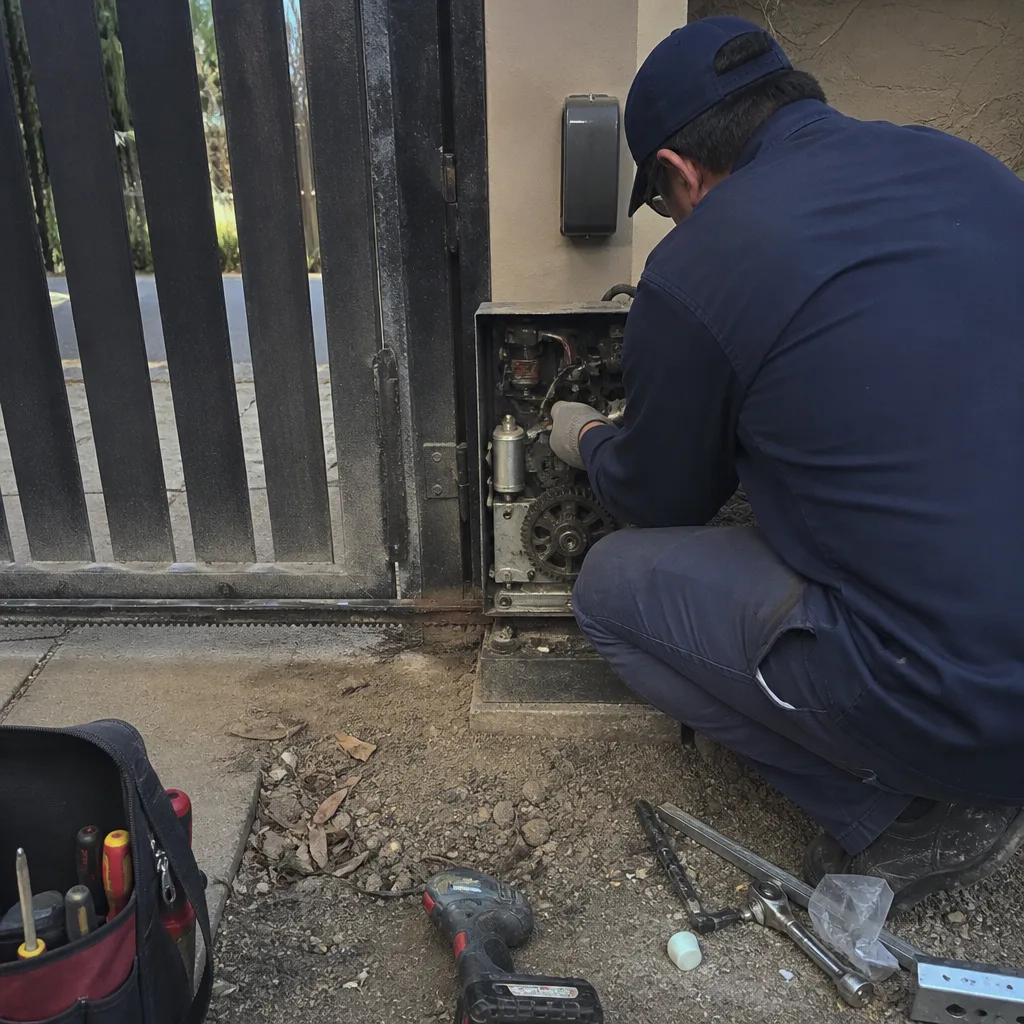
See the difference
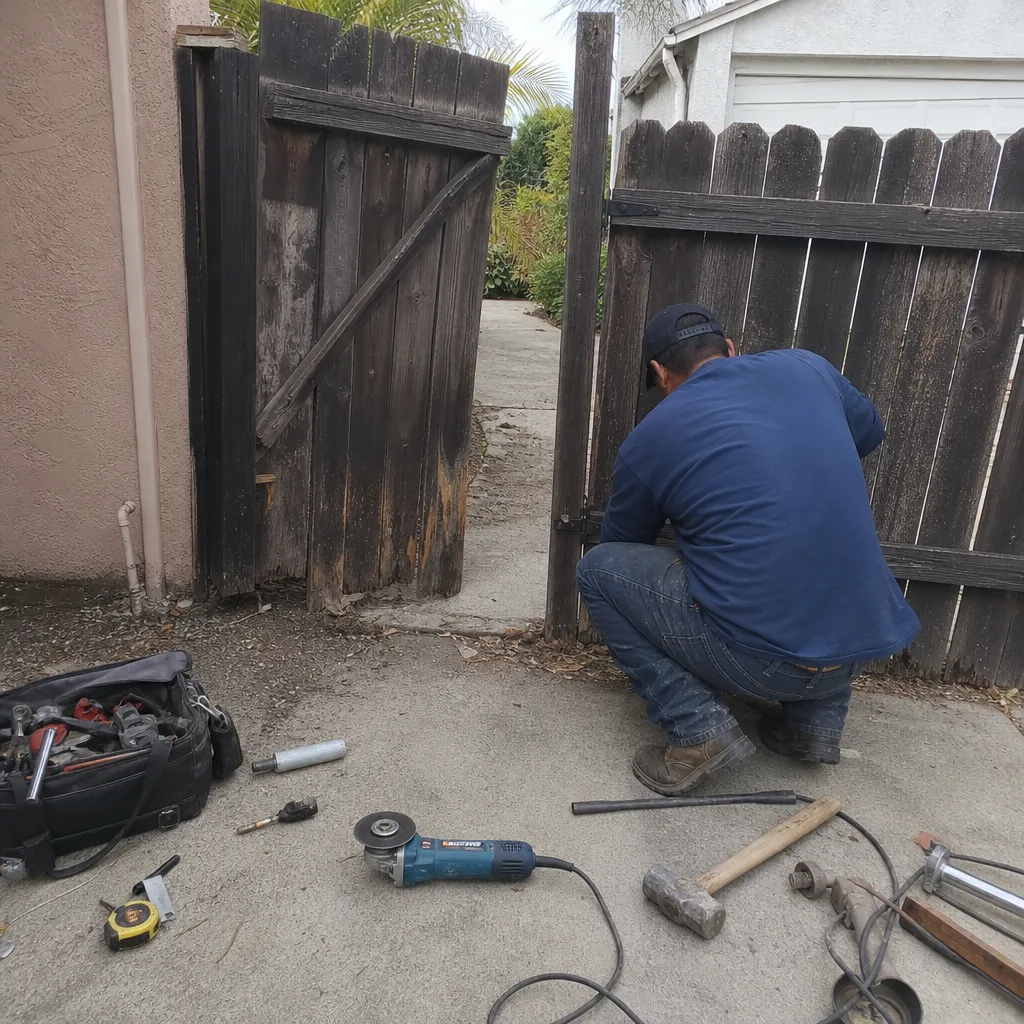 Before
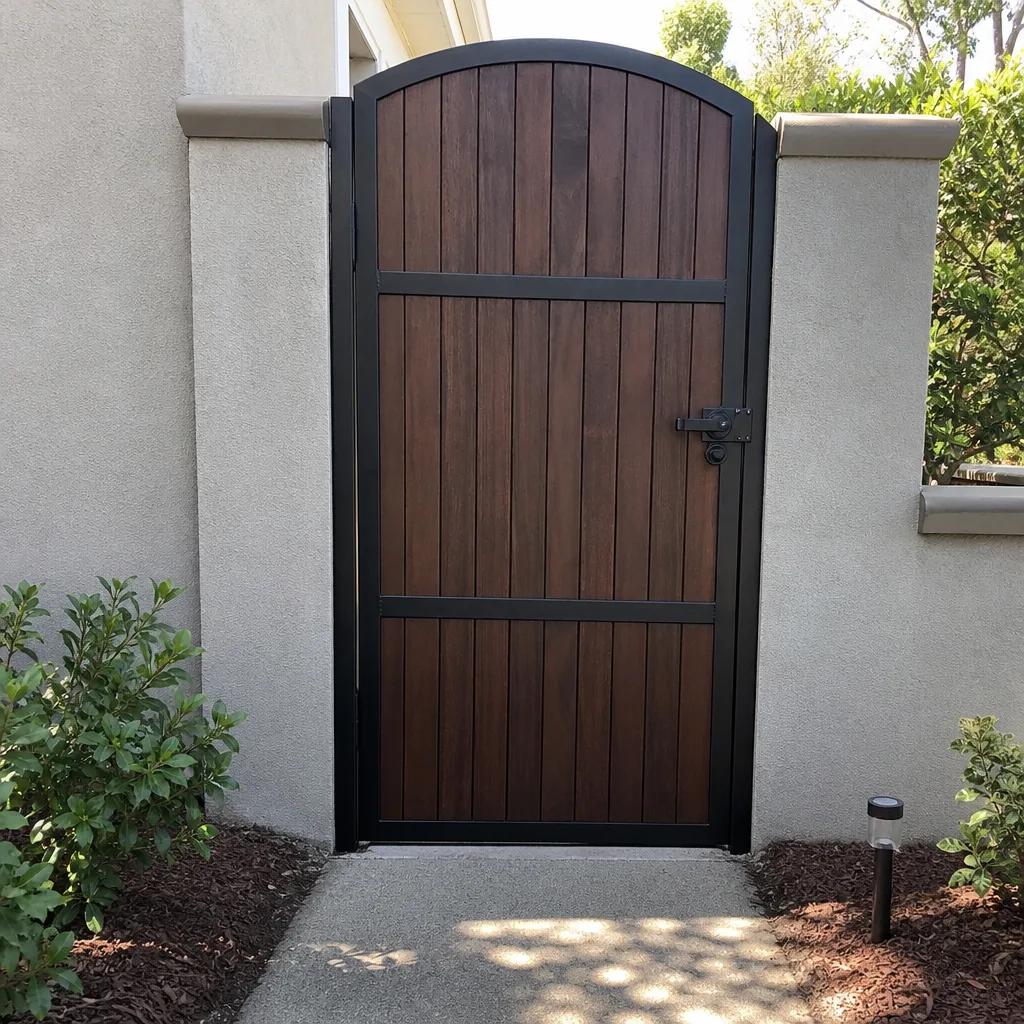 After
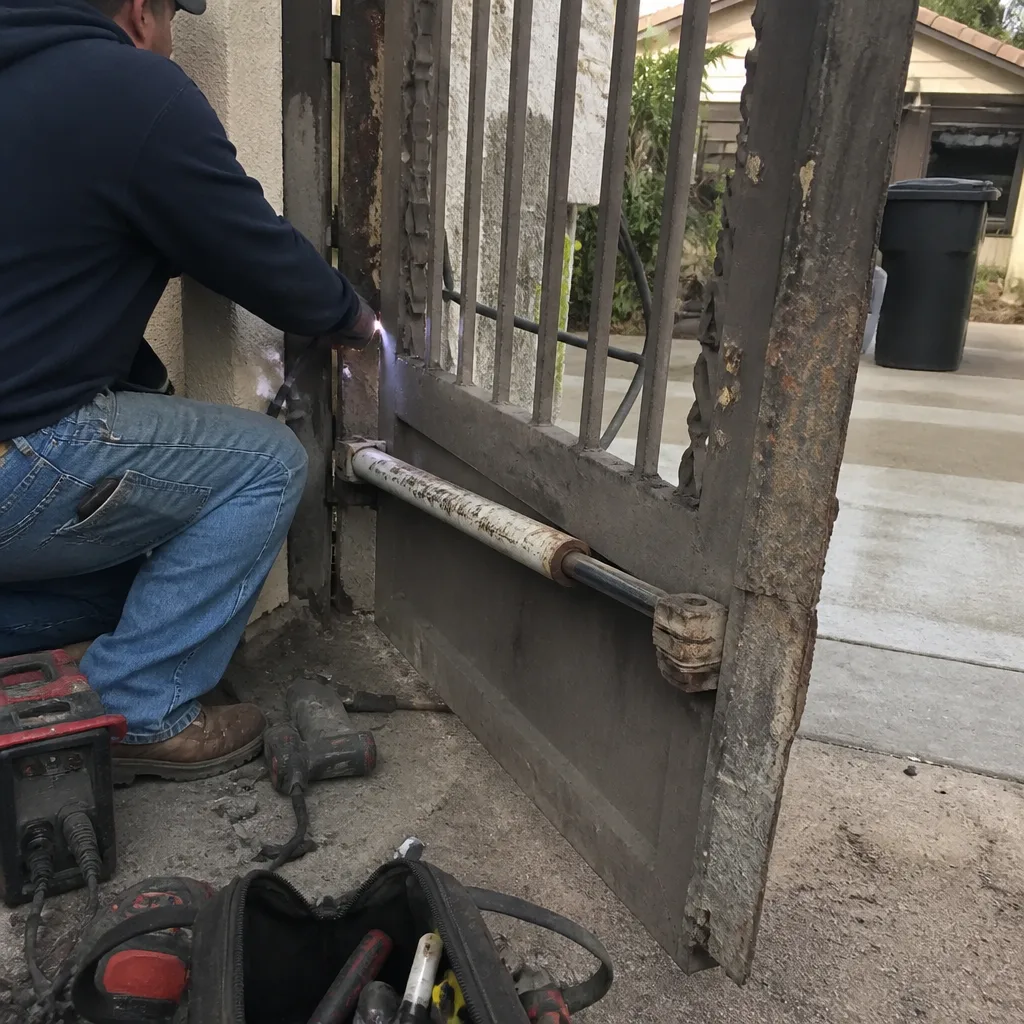 Before
 After
 Before
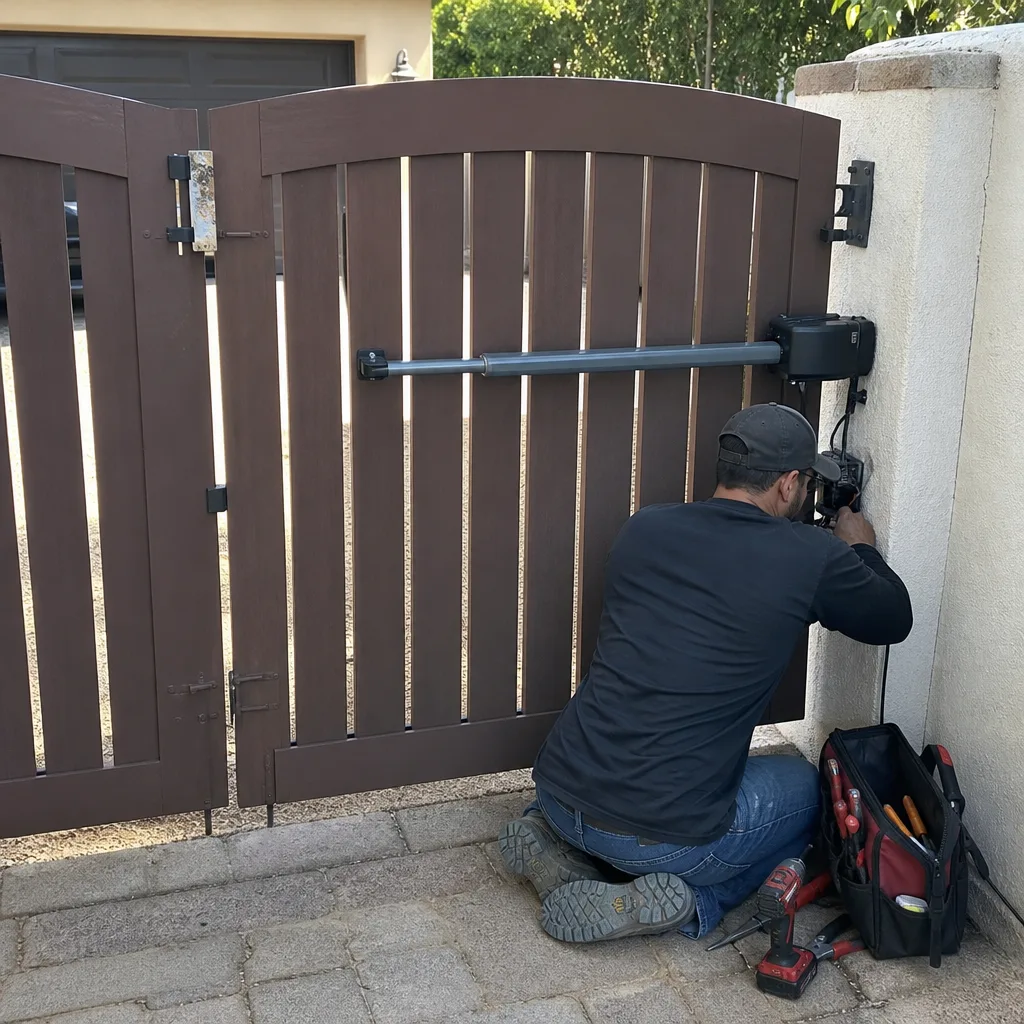 After
When to Call a Professional
Call a professional the moment you see any of these: the gate reverses for no visible reason, the operator makes a grinding or humming sound while the gate doesn’t move, the gate has visible play when you push on it at the latch side, the keypad is cracked or unresponsive, or the gate won’t close on a foggy morning. If you ever touch the operator housing and it feels hot after the gate has been idle, turn the power off and call. Heat at idle means a short, and that’s a fire hazard, not a maintenance issue. San Diego Gate Company offers free estimates in San Diego; call (877) 517-5469 and we’ll diagnose the gate over the phone first, then give you a written price before any work starts.
Frequently Asked Questions
Gate repair in San Diego typically costs between $145 and $800, with minor hinge and wheel repairs at the lower end, circuit board replacements in the $280 to $650 range, and full operator replacements between $850 and $1,900. You’ll get a written quote before any work begins. Call (877) 517-5469 for a free estimate on your specific gate.
We offer same-day service for many residential gate repairs in San Diego, depending on our dispatch schedule and your location; coastal neighborhoods from Ocean Beach to La Jolla are within our standard service area. Emergency repair calls are prioritized, and our phone line at (877) 517-5469 is answered by a live person, not a menu tree.
A full electric gate installation includes the gate frame or panel, operator, control board, photo eye safety system, keypad or remote access, and the wiring run from the power source to the operator. Every installation includes a written quote, a mechanical check to confirm the gate swings freely under its own weight, and a walkthrough of the safety auto-reverse feature. For a full breakdown of what’s included, see our gate installation page.
Yes, we handle the full electrical scope on gate installations and repairs, including the line-voltage power run, the low-voltage control wiring, and the safety photo eye or pressure edge installation. If your gate is on a community or HOA property in San Diego, the power run may require coordination with the HOA’s electrical contractor; we manage that process.
FAAC and Linear operators use different control board architectures and drive mechanisms, so the diagnosis process differs, but both are brands our technicians work on regularly in San Diego. FAAC systems are common on European-style and newer residential gates, while Linear systems are widespread in North County and East County homes from the 2000s. We’re brand-agnostic: we recommend the repair that fits your existing system, not a forced brand switch.
Not necessarily; San Diego’s marine layer can scatter or reflect the photo eye beam on foggy mornings, causing false reversal, and this is a common issue in coastal neighborhoods from Coronado to Carlsbad. If the false reversals continue after the fog clears, the photo eye may be misaligned, UV-fogged, or corroded at the terminals. Call (877) 517-5469 and we’ll help you sort it out over the phone before scheduling a visit.
The Bottom Line
San Diego gates fail differently than gates in Phoenix or Seattle. The coastal salt air, the marine layer moisture, the expanding clay soil inland, and the HOA density of our master-planned communities all shape the repair landscape. A homeowner who understands these patterns catches a $180 hinge repair before it becomes a $1,400 operator replacement. A homeowner who doesn’t, doesn’t. The gate is a security system, a piece of mechanical equipment, and an electrical device all at once, and all three layers need maintenance. If you’re in San Diego and your gate is making a noise it didn’t make last month, or moving slower than it did last year, don’t wait for the headline failure. Call (877) 517-5469. We’ll tell you, honestly, whether you need a repair or just a maintenance visit, and we’ll quote the price before any work begins.
Written by the team at San Diego Gate Company, serving San Diego since 2018.