

Last updated October 31, 2026
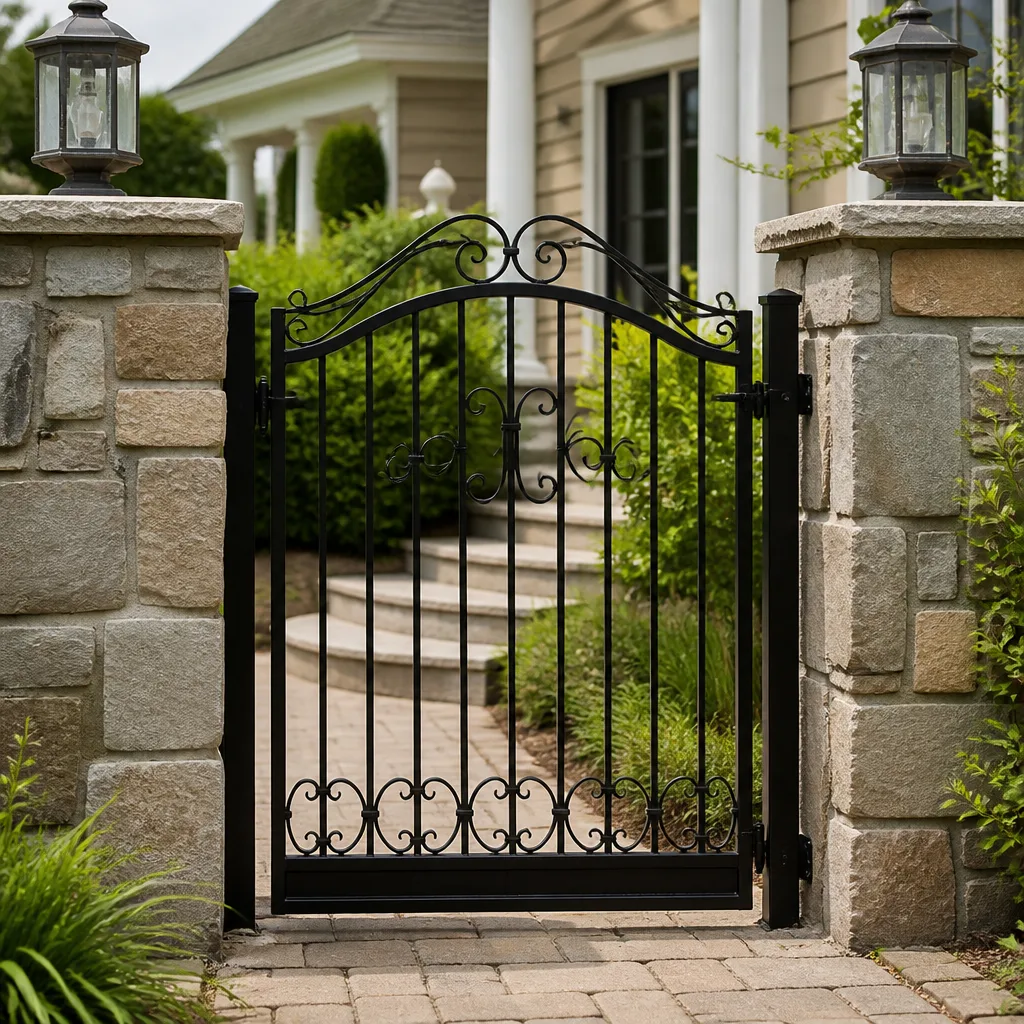 Wrought iron
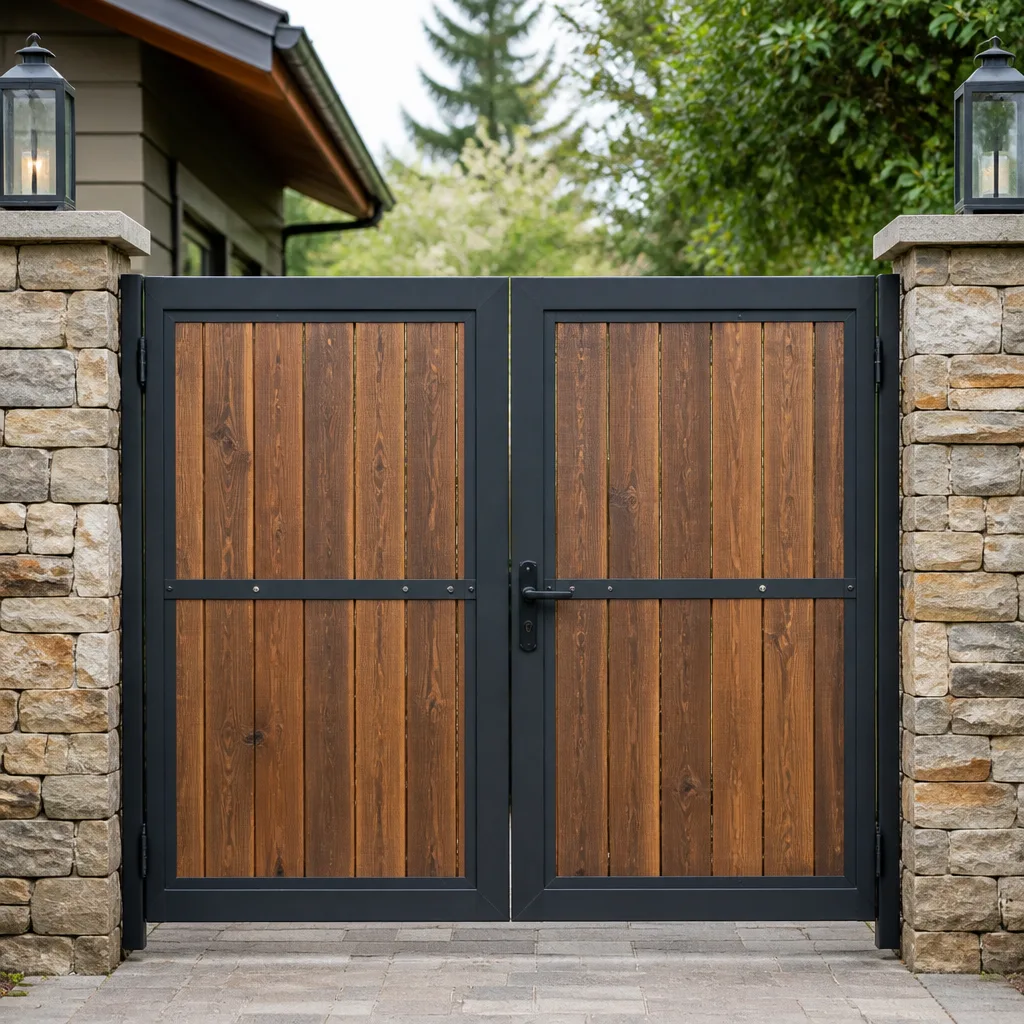 Wood & steel frame
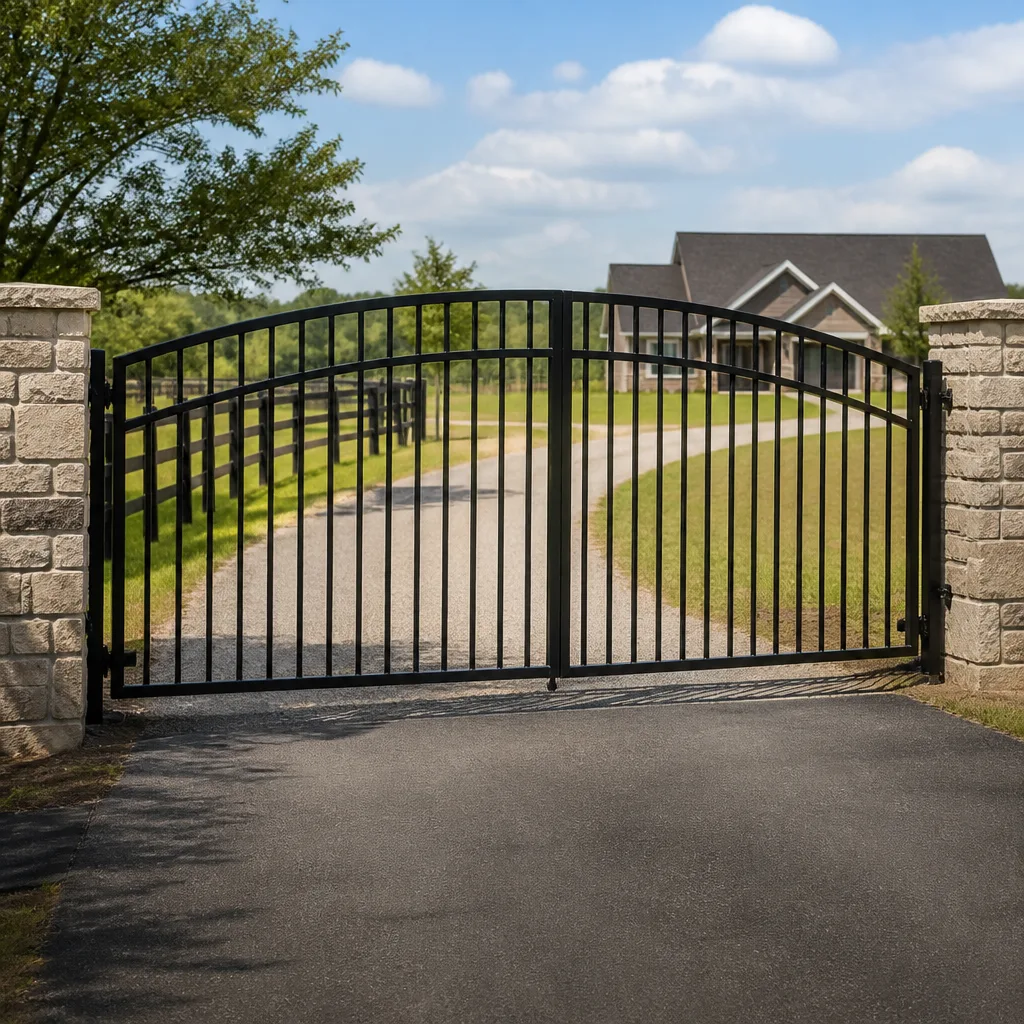 Farm & ranch
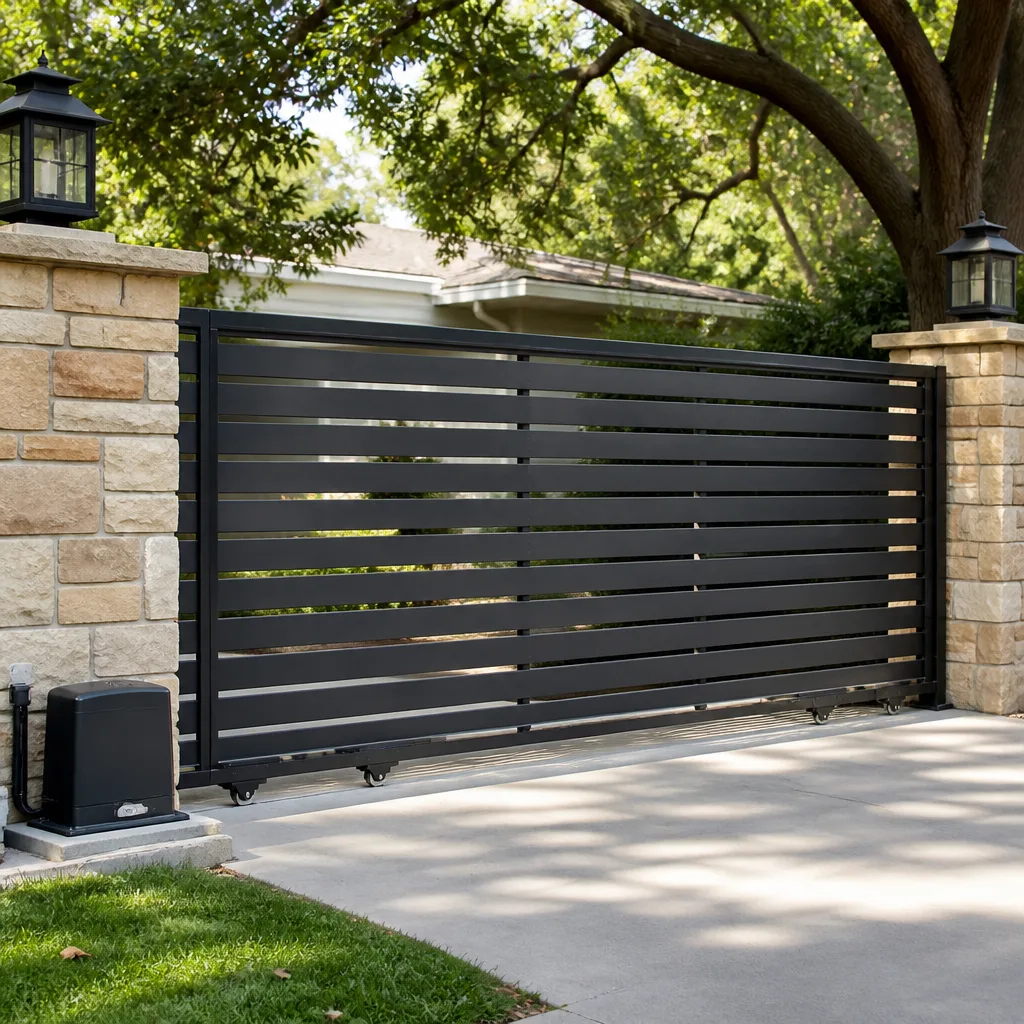 Sliding driveway gates
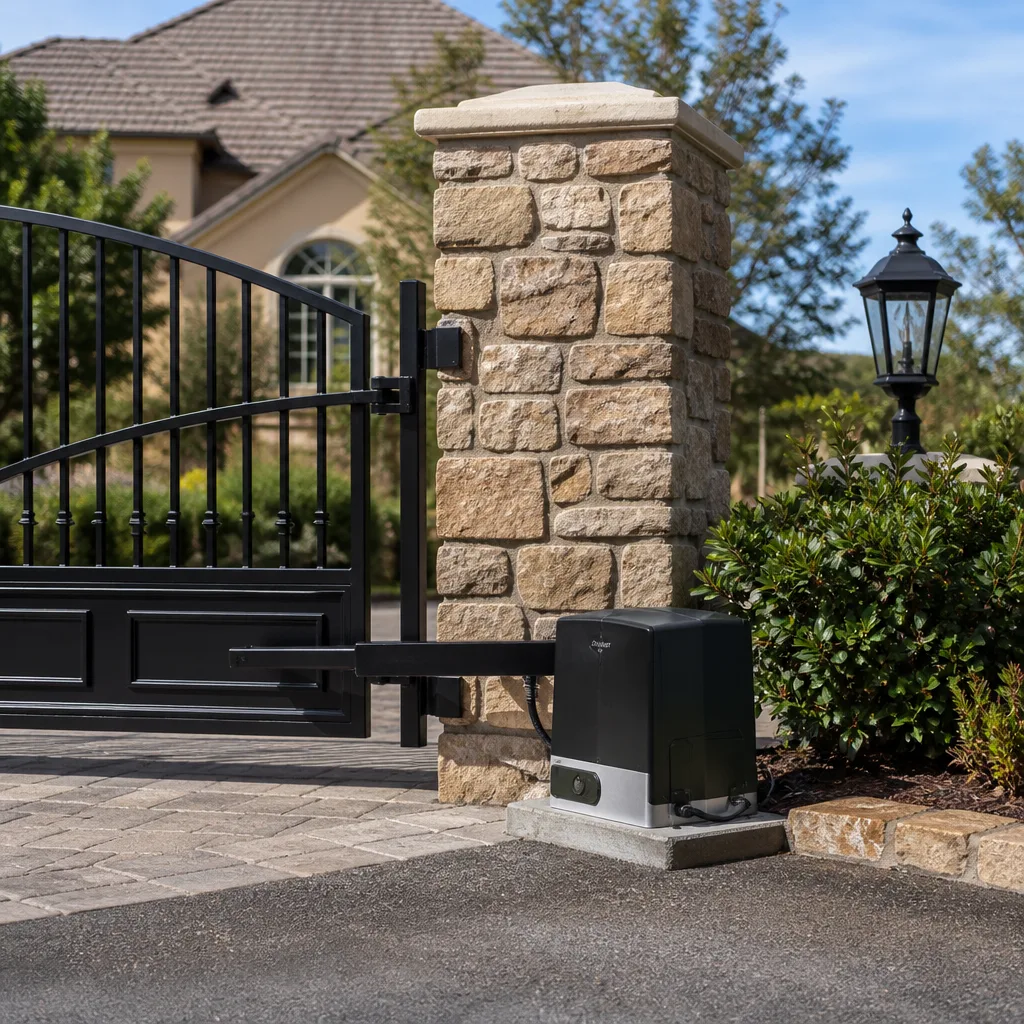 LiftMaster operators
Free on-site gate assessment - hinges, posts, and your LiftMaster or Nice gate operator checked before anything is quoted
The assessment is free and the quote is the invoice.
Get your free estimateChoosing the Right Gate Repair Brand: A Buyer’s Guide for San Diego
The most heavily marketed gate operator brand in the country is not the easiest one to get parts for in San Diego. That sounds backwards, but it’s the reality we deal with every week. A control board that takes seven days to arrive means seven days with a gate stuck open, stuck closed, or propped with a rock. This guide walks through how to evaluate gate brands the way a working technician does: not by brochure features, but by parts availability, climate durability, repair costs, and what actually happens when the gate stops working three years after installation.
Quick Answer
The best gate repair brand in San Diego is the one already installed on your property, assuming parts are available locally. LiftMaster, FAAC, and Viking hold up best against coastal moisture and inland heat, with the strongest Southern California parts networks, while Linear, Ghost Controls, DoorKing, Elite, BFT, and Mighty Mule have strong specific-use cases. Rather than replacing a brand outright, San Diego homeowners and property managers are almost always better served by repairing the existing system with a technician trained across all nine major brands.
Styles & brands we work with
Table of Contents
- Parts Availability in San Diego: The Real Deciding Factor
- Coastal vs. Inland Climate Performance
- Proprietary vs. Open Control Boards: Why It Matters
- Warranty Reality Check: What’s Actually Covered
- Matching Brand to Gate Weight, Cycles, and HOA Rules
- Repair Costs by Brand: What to Budget in San Diego
- Common Mistakes to Avoid
- When to Call a Professional
- Frequently Asked Questions
Parts Availability in San Diego: The Real Deciding Factor
San Diego is a major metropolitan market, but not every gate operator manufacturer treats it as a priority distribution hub. That discrepancy shows up as wait times when a board fails or a limit switch burns out. A brand with a regional warehouse in Southern California might have a replacement part in a San Diego technician’s hands the same afternoon. A brand without that footprint might require a factory order from the Midwest or an overseas shipment.
Here is what we see in practice across the San Diego service area:
- LiftMaster: Strongest local parts pipeline of any residential and light-commercial gate brand we work on. Regional distribution means most boards, arms, and hardware are available same-day or next-day in San Diego. This matters when a gate fails on a Friday afternoon in Rancho Bernardo and the HOA wants it running by Saturday morning.
- FAAC: Italian engineering with solid U.S. distribution. Common components like capacitor boards and hydraulic seals are typically available within one to two business days in San Diego. Specialized FAAC hydraulic parts can take longer, but core repair items are dependable.
- Viking: Manufactured by the same parent group as Linear, Viking has deep commercial distribution. Access control equipment like photo-eyes, loop detectors, and keypads are consistently available through San Diego-area suppliers. Viking is one of the most stable choices for commercial operators that need minimal downtime.
- BFT: Another Italian brand with a growing U.S. presence. BFT parts are generally orderable from national distributors, but we occasionally see one-to-two-week lead times on less common components in San Diego. If your BFT operator is working, there’s no rush to replace it. If it’s failed, patience is sometimes required.
- Ghost Controls and Elite: Both are popular in the DIY and mid-range residential market. Parts are widely sold online, but local counter stock in San Diego is thinner than the big three above. A skilled technician can often repair these systems with universal components, which shortens the timeline significantly.
- DoorKing and Mighty Mule: DoorKing has an established commercial network and parts are typically orderable within a few days. Mighty Mule is designed for simplicity; many repairs are accomplished with generic interchangeable parts rather than factory-only components.
The takeaway: parts availability in San Diego varies by brand far more than national marketing would suggest. Before buying a new operator, ask a technician which brands they can service same-day in this market, not which brands rank highest in a national review. If you already own an operator, the fastest and most cost-effective path is almost always repairing it through a gate repair specialist in San Diego trained across brands rather than switching systems.
Coastal vs. Inland Climate Performance
San Diego is actually two climates sharing one county. Within ten miles of the coast, salt-laden marine air corrodes exposed metal, attacks circuit boards through condensation, and shortens the life of unprotected wiring. Ten miles inland, from Escondido to El Cajon, summer temperatures routinely surpass 90 degrees and test the thermal limits of motors, capacitors, and plastic gear components. A brand that thrives in one of these environments may struggle in the other.
From our repair experience across San Diego‘s microclimates, here is how the major brands hold up:
- Coastal San Diego (La Jolla, Point Loma, Ocean Beach, Coronado): Marine air is the primary threat. LiftMaster and Viking units consistently resist corrosion better than average, particularly their commercial-grade housings and coated boards. FAAC hydraulic operators also tolerate salt air well because their moving parts are sealed in oil. The weak point on nearly all coastal brands is the exposed limit switch and any unprotected low-voltage connections.
- Inland San Diego (Poway, Santee, Escondido, Ramona): Heat is the primary threat. Plastic gear components degrade faster in sustained high temperatures, and capacitor failures spike during summer heat waves. LiftMaster and Elite units generally handle inland heat well when properly ventilated. BFT and FAAC, engineered for European climates, can overheat if installed in direct sun without a shade cover.
- Transition zones (Clairemont, Mission Valley, Mira Mesa): These neighborhoods get morning marine layer and afternoon heat. The combined cycling of moisture and temperature stresses control boards. Units with conformal-coated circuit boards, a feature standard on most Viking and linear commercial units, survive notably longer in these conditions.
For San Diego homeowners, the climate lesson is straightforward: select a brand based on where the gate actually lives, not what a national review recommends. A brand that works flawlessly in Phoenix might be a corrosion nightmare in Point Loma. And if your gate sits within three miles of the ocean, factor in that control boards may need replacement every five to eight years regardless of brand. That is routine maintenance, not a defect.
Proprietary vs. Open Control Boards: Why It Matters
Control boards are the brain of any automated gate. When they fail, the gate stops responding. What most San Diego property owners discover at that moment is that some brands build boards that only work with their own remote controls, keypads, and safety devices. Others design boards that accept universal accessories. That distinction matters when your original installer has retired, moved, or stopped returning calls.
A proprietary board means you are locked into one brand’s ecosystem. If that brand has thin distribution in San Diego, you wait. An open board means a trained technician can often substitute a universal receiver, generic safety edge, or third-party loop detector and have the gate functioning the same day. Here is the breakdown:
- LiftMaster: Largely proprietary, but the brand’s distribution strength in San Diego offsets the downside. Parts are available quickly enough that the lock-in rarely hurts. Replacement boards are relatively inexpensive for residential units.
- Viking and Linear: Semi-open architecture. Many Viking and Linear boards accept third-party accessories without issue. This flexibility is a major advantage for commercial properties that need to integrate a new call box or access system without replacing the operator.
- FAAC and BFT: Proprietary boards with specialized programming parameters. They are reliable, but when they fail, they require brand-specific parts and a technician who actually knows the programming menu. A generalist handyman is not going to get a FAAC board reprogrammed correctly.
- Ghost Controls, Elite, Mighty Mule: Open by necessity. These brands sell primarily through retail and online channels, so their boards are designed to work with widely available accessories. A broken Ghost Controls board can often be replaced with a newer revision that drops right in.
The broader point: an open-architecture board protects you from being orphaned. If you are buying a new system for a San Diego property and plan to own it for a decade, ask the installer whether the control board accepts universal accessories. If the original installer walks away, you want the next technician, whether that is us or someone else, to be able to repair rather than replace. For existing systems, our electric gate repair service in San Diego handles board-level diagnosis and replacement on all nine major brands, which means no “sorry, we only work on one brand” conversations.
Warranty Reality Check: What’s Actually Covered
Manufacturer warranties for gate operators are among the most misunderstood documents in home improvement. They sound comprehensive in the brochure and read very differently when you are holding a failed board and a copy of the fine print. Here is what San Diego property owners need to know before making a brand decision.
What most residential gate operator warranties actually cover:
- The control board: Usually two to five years against manufacturing defects. This is the most likely part to fail and the one most commonly replaced under warranty.
- The motor: Many brands cover the motor for two to five years, but the definition of “motor failure” is narrow. Overheating due to improper installation to improper duty cycle is typically excluded.
- The gear train or hydraulic pump: Coverage varies widely. Some brands include internal mechanical parts for five years; others limit mechanical coverage to one year.
What warranty coverage almost always excludes:
- Labor for removal, reinstallation, or programming. You might get a free board, but you will still pay a technician several hours of labor in San Diego to diagnose, remove, install, and reprogram it.
- Damage from power surges. San Diego’s rolling brownouts and Santa Ana wind season produce frequent voltage spikes. Most board failures we see are surge-related, and most surge-related failures are excluded from warranty coverage.
- Corrosion and environmental damage. Coastal salt air is the leading killer of exposed gate components in San Diego beach communities. Warranties treat this as “environmental exposure,” not a defect.
- Improper installation. This is the big one. If the original installer set the force limits incorrectly or skipped the surge protector, the manufacturer will deny the claim. This exclusion is how many warranty promises evaporate.
- Commercial or multi-family usage on residential equipment. An operator installed on a single-family gate that is cycled by an HOA with 40 homes will fail quickly, and the warranty will not cover it because the equipment was not rated for that duty cycle.
The practical reality in San Diego: the best warranty on paper is worth less than a technician who can diagnose accurately, source parts locally, and install them correctly. When we evaluate warranty items during a repair, we often find that the labor cost exceeds the value of the free part. That math is worth understanding before you choose a brand for your next installation. A professional gate installation in San Diego that includes proper surge protection, correct duty-cycle sizing, and appropriate corrosion mitigation is the real warranty.
Matching Brand to Gate Weight, Cycles, and HOA Rules
Choosing a gate operator brand without considering the gate itself is like choosing a car engine without knowing the vehicle’s weight. A unit rated for a 500-pound residential gate will burn out quickly turning an 800-pound ornamental steel gate in a La Jolla HOA. Conversely, a commercial-grade Viking operator on a lightweight pedestrian gate is overkill that costs twice what it should. Here is how to match brand to the actual job.
Step 1: Determine gate weight and length. A 16-foot driveway gate made of solid wrought iron can weigh well over 1,000 pounds. A 10-foot aluminum gate might weigh 300. The operator’s rating must exceed the gate weight by a safety margin, ideally 20 to 30 percent, because weight increases with accumulated hardware, wind loading, and wear over time.
Step 2: Assess cycle frequency. A single-family home cycles a gate perhaps 10 to 20 times per day. An HOA entrance gate might cycle 300 times per day, which is a completely different wear profile. Residential brands like Ghost Controls and Elite are not engineered for that duty cycle. Commercial-grade LiftMaster, Viking, or DoorKing units are. Undersizing the brand for the duty cycle is one of the most common mistakes we correct in San Diego HOAs.
Step 3: Check HOA aesthetic and safety requirements. Many San Diego planned communities have specific rules about gate appearance, noise levels, and safety devices. Some HOAs mandate specific brands for architectural consistency. Others require photo-eye sensors and vehicle loop detectors on all automatic gates. Before selecting a brand, verify the HOA’s CC&Rs and any city-level code requirements. The operator’s safety features must meet current UL 325 standards, which govern the entrapment protection required on automatic gate systems.
Step 4: Match the brand to the use case.
- Single-family home, moderate cycles, 12-foot gate or less: LiftMaster, Elite, or Ghost Controls offer reliable operation at a reasonable price point, with good parts availability in San Diego.
- HOA or commercial entrance, high cycles, heavy gate: Viking, Linear, or DoorKing. These are engineered for continuous duty and have the strongest commercial distribution channels in the San Diego market.
- Heavy or oversized gate, coastal or inland: FAAC hydraulic operators are the best choice for very heavy gates because hydraulics handle load better than electromechanical arms, and their sealed design resists both salt air and heat.
- Budget-conscious or DIY-oriented: Mighty Mule and Ghost Controls are accessible, but plan for more frequent component replacement and confirm you have local repair options before committing.
Our technicians work on all nine of these brands, which means we are not trying to steer you toward one. The right brand for your San Diego gate depends on the physical gate, the duty cycle, the location, and the HOA. Get all four right, and any of the major brands will serve you well.
Repair Costs by Brand: What to Budget in San Diego
Repair costs in San Diego vary by brand, not because some brands are inherently better, but because parts pricing and labor complexity differ. A control board for a luxury Italian brand costs more than a board for a mass-market American brand, even when the underlying technology is similar. Here is what we see across the San Diego market, as of the current year:
- LiftMaster residential operator repair: $180 to $400 typical, with control boards on the lower end and full arm replacements on the higher end. Fast parts turnaround keeps labor costs down compared to brands with slower supply chains.
- FAAC hydraulic repair: $350 to $900 typical. Hydraulic systems require more specialized labor and brand-specific parts. Most expensive of the common residential-adjacent brands to repair, but units are also less likely to need frequent minor repairs.
- Viking or Linear commercial repair: $250 to $800 depending on the component. Boards and loop detectors are moderate cost; full operator heads are significantly more. Parts are generally available quickly in San Diego, which reduces total project cost.
- DoorKing repair: $200 to $600 typical. Established commercial brand with predictable parts pricing.
- Ghost Controls, Elite, or Mighty Mule repair: $150 to $350 typical. These units are designed for simpler repairs, and many components are interchangeable or low-cost. The challenge is finding a technician familiar with them, since most gate companies focus on commercial brands, but our team works on all of them.
- BFT repair: $250 to $700 typical. Well-engineered units with reliable performance; parts are pricier and sometimes slower to source in San Diego than domestic brands.
These are ballpark figures, not quotes. Every gate is different, and a specific diagnosis requires a site visit. For more guides & resources, see our blog. When we provide an estimate, the price is agreed upon before any work begins, so there are no surprises on the invoice. That is how every good San Diego gate company should operate. If you have a specific failure, call (877) 517-5469 and we will give you a straightforward diagnosis and written quote. Estimates are free.
Common Mistakes to Avoid
- Choosing a brand based on national marketing instead of local parts availability. A brand with big ad campaigns but no West Coast distribution means long waits for parts. In San Diego, ask about parts lead times specifically for this market before buying.
- Swapping operators without fixing the underlying gate. If the gate hinges are worn or the track is out of alignment, a new operator will fail prematurely. Repair the gate first, then replace the operator if needed. We see this mistake constantly in newer San Diego developments where gates were installed quickly and cheaply.
- Ignoring duty cycle when replacing a residential operator with a commercial one, or vice versa. An HOA that replaces a failed residential unit with a cheaper residential unit is just buying the same failure again. Match the duty cycle or expect a repeat in two years.
- Skipping surge protection in inland San Diego. Summer thunderstorms and SDG&E grid fluctuations kill boards. A $75 surge protector can save a $400 control board. Install one, especially in areas like Ramona and Alpine where power quality is more variable.
- Buying the cheapest quote without checking brand familiarity. A technician who has never programmed a FAAC board is not going to learn on your gate. Ask directly which brands the company trains its technicians on. A brand-agnostic specialist is worth more than a one-brand contractor.
- Neglecting coastal corrosion protection. A gate operator within a mile of the ocean needs sealed connections, coated boards, and regular inspection of exposed wiring. We replace more salt-damaged boards in Point Loma and Mission Beach than anywhere else in the county.
- Assuming a warranty covers labor. It almost never does. The free part often costs more in labor to install than the part is worth. Read the exclusions before making a brand decision, and protect the system with proper installation and surge protection.
When to Call a Professional
Gate operators contain high-tension springs, high-voltage wiring, and moving parts that can cause serious injury. We never recommend that a homeowner open a control box and start probing with a multimeter unless they have specific training. If your gate is not moving, making grinding noises, operating in one direction only, or has been hit by a vehicle, stop using it and call a specialist. A gate that partially works is often more dangerous than one that does not work at all, because the failure mode can involve unexpected movement or a falling gate leaf. For any electric or automated gate repair, the safe path is a trained technician. San Diego Gate Company offers free estimates in San Diego and the surrounding area, call (877) 517-5469, and we will diagnose the issue before you commit to any repair. From a broken hinge to a full electric gate installation, one call covers it.
Frequently Asked Questions
For homes and properties within a few miles of the coast, LiftMaster and Viking have the strongest track records against salt-air corrosion, thanks to coated boards and better-sealed enclosures. FAAC hydraulic operators also perform well because their moving parts are sealed in oil. Regardless of brand, coastal properties need regular inspection of wiring and connections, since the marine environment shortens component life. If you are near the coast and unsure what you own, call (877) 517-5469 and we will identify it and give you a straight answer.
Gate repair in San Diego typically runs between $150 and $900, depending on the brand and component. Simple fixes like remote programming or a limit switch adjustment are typically low-cost and quick. A full control board or hydraulic pump replacement on a commercial operator will cost more, but it is still usually far less than a full operator replacement. We quote the price up front and agree on it before any work starts, so you will never see a surprise on the invoice.
In many cases, yes. For common failures on LiftMaster, Viking, Linear, and other widely distributed brands, we usually have parts available same-day in San Diego and can often dispatch quickly for emergency repairs. Some specialized FAAC or BFT parts may take a day or two. If your gate is stuck and you need it working now, call (877) 517-5469 and we will tell you honestly what is possible.
In almost every case, repair is the better first step. Replacing an operator unnecessarily costs thousands of dollars and discards equipment with years of life left. Unless the gate itself is being replaced, the operator is structurally compromised, or the unit is so old that parts are genuinely unavailable, a repair is usually the right call. We diagnose the real problem and never upsell a new system when a repair will do the job.
Yes. We are trained on nine major gate brands including LiftMaster, FAAC, BFT, Linear, Viking, Ghost Controls, DoorKing, Elite, and Mighty Mule. That covers virtually every system a customer in San Diego is likely to own. Brand-agnostic diagnosis means we tell you what your existing system actually needs, not what is easiest for us to sell.
A full gate installation in San Diego includes site assessment, removal of the old gate and operator if present, installation of the new gate and operator, electrical connection, programming, and safety device installation such as photo-eyes and vehicle loop detectors. We handle the full scope from manual swing gates to complex automated access systems, and we provide a written price before any work begins. For a free measure and written quote, call (877) 517-5469.
The Bottom Line
The right gate repair brand in San Diego is the one already on your property, provided it has local parts support and a technician who actually knows how to repair it. LiftMaster, FAAC, Viking, Linear, DoorKing, Elite, Ghost Controls, and Mighty Mule all have legitimate places in the San Diego market, but the brand matters less than the diagnosis, the duty cycle, the climate exposure, and the quality of the technician doing the work. A brand-agnostic specialist will repair what you have rather than selling you a replacement you do not need. If your gate is down or acting up, start with an honest diagnosis. Call San Diego Gate Company at (877) 517-5469 and we will tell you exactly what we find. For more on what we do, visit our San Diego Gate Company home page or explore our specific services.
Written by the team at San Diego Gate Company, serving San Diego since 2018.
See the difference
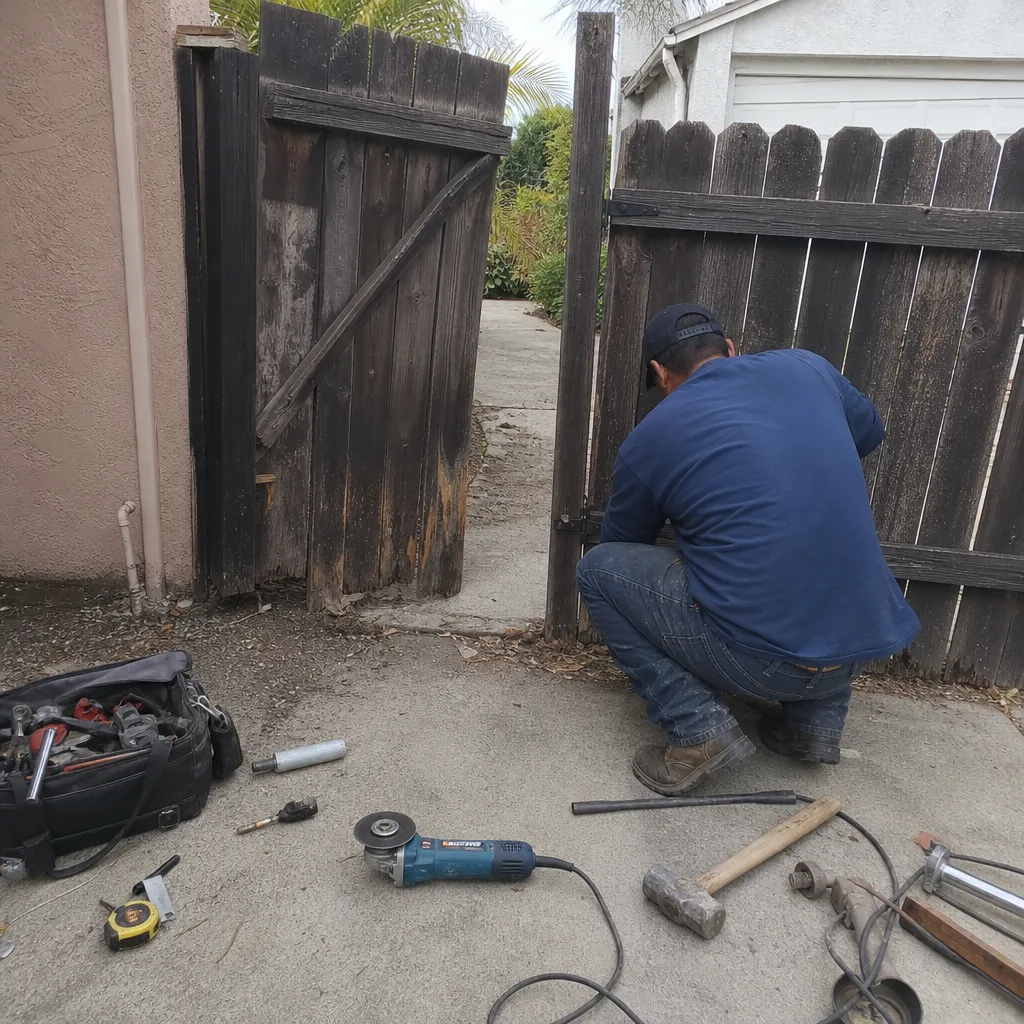 Before
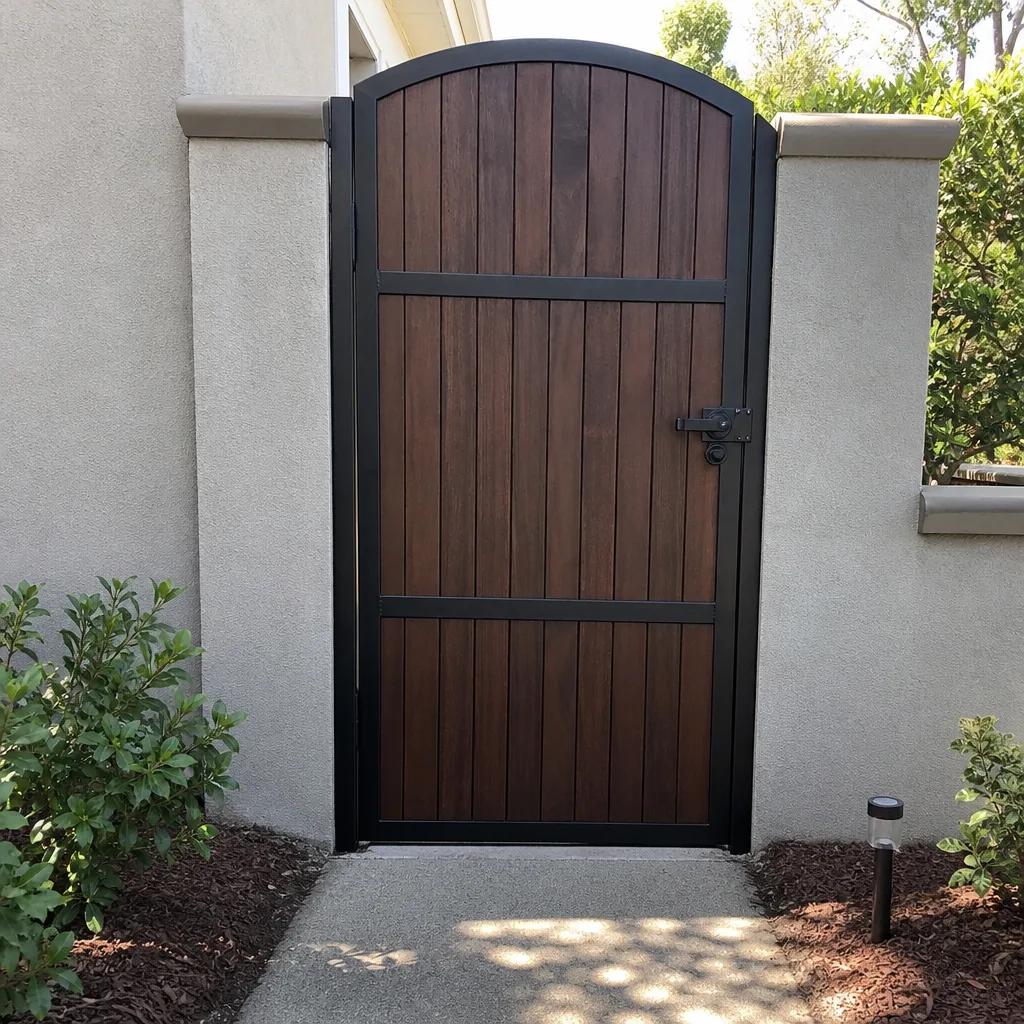 After
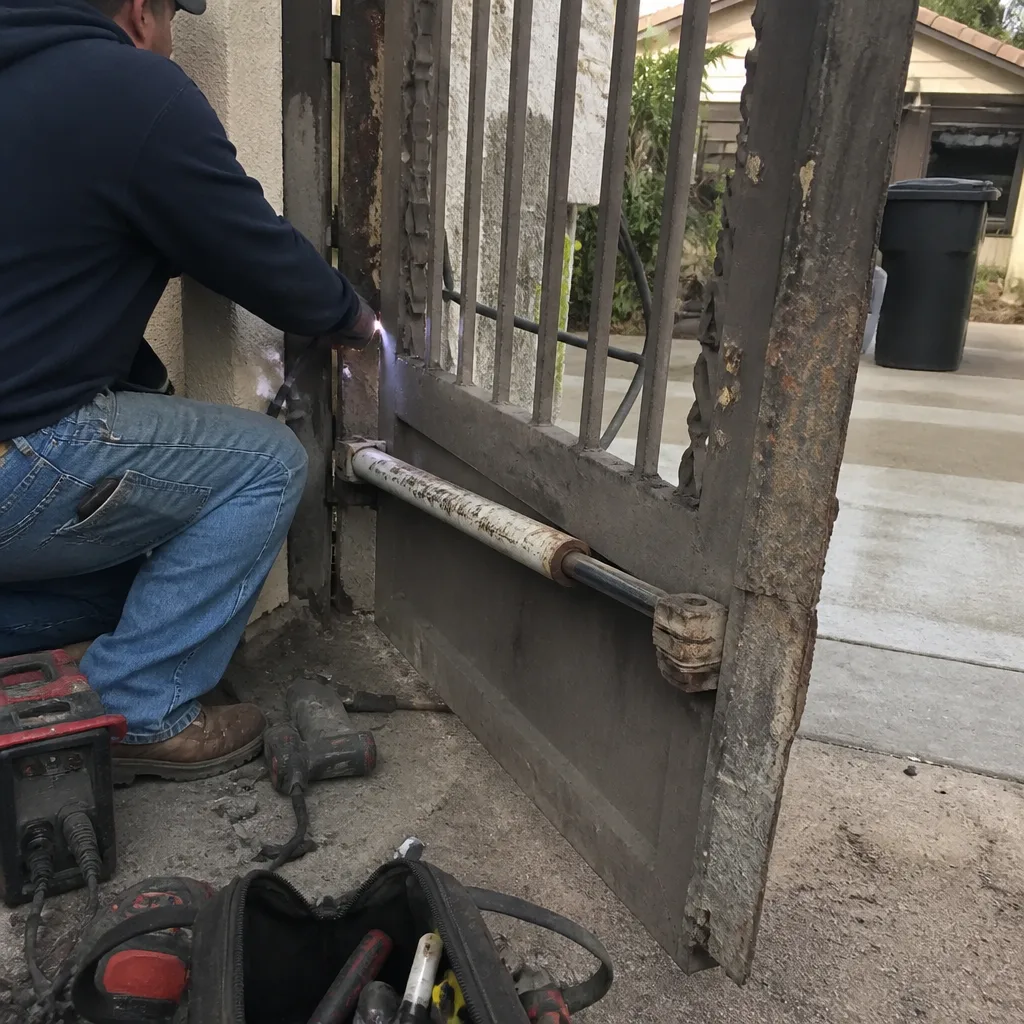 Before
 After
 Before
 After