

Last updated October 31, 2026
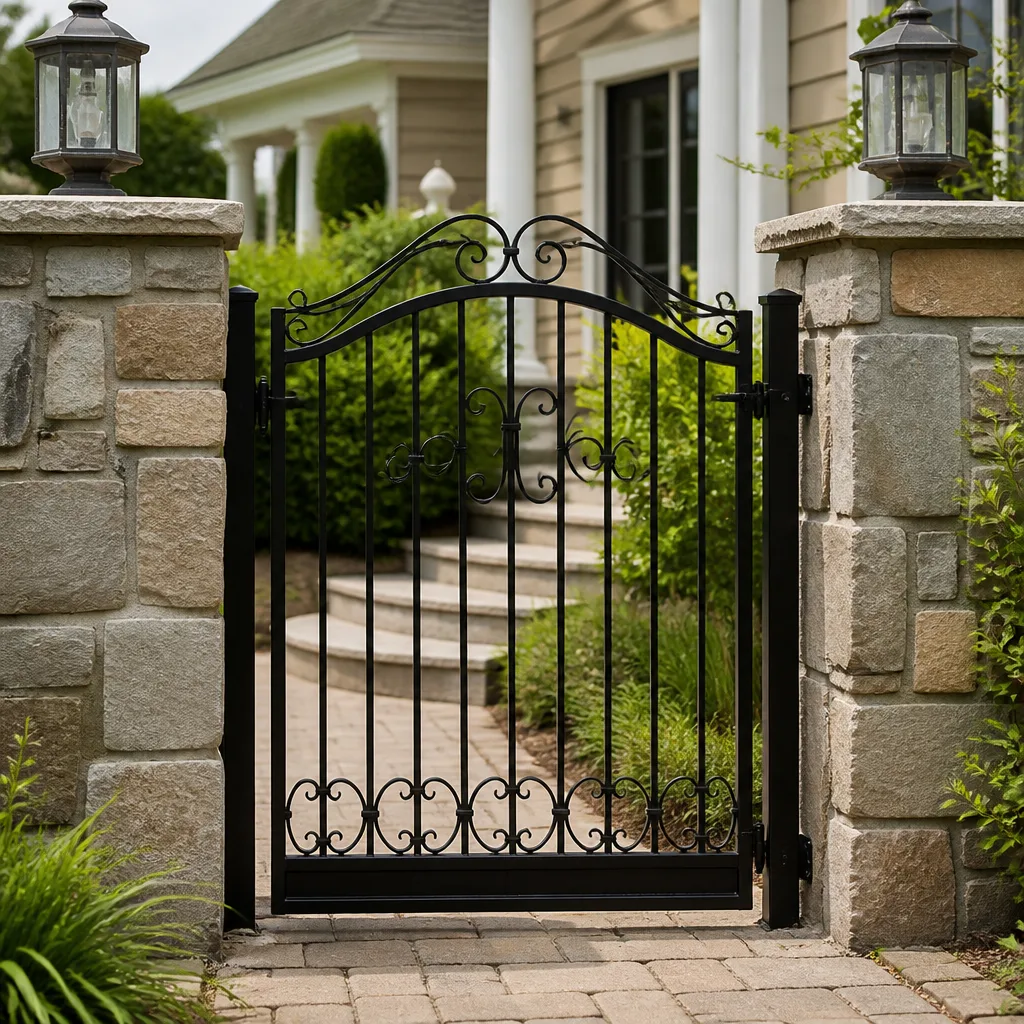 Wrought iron
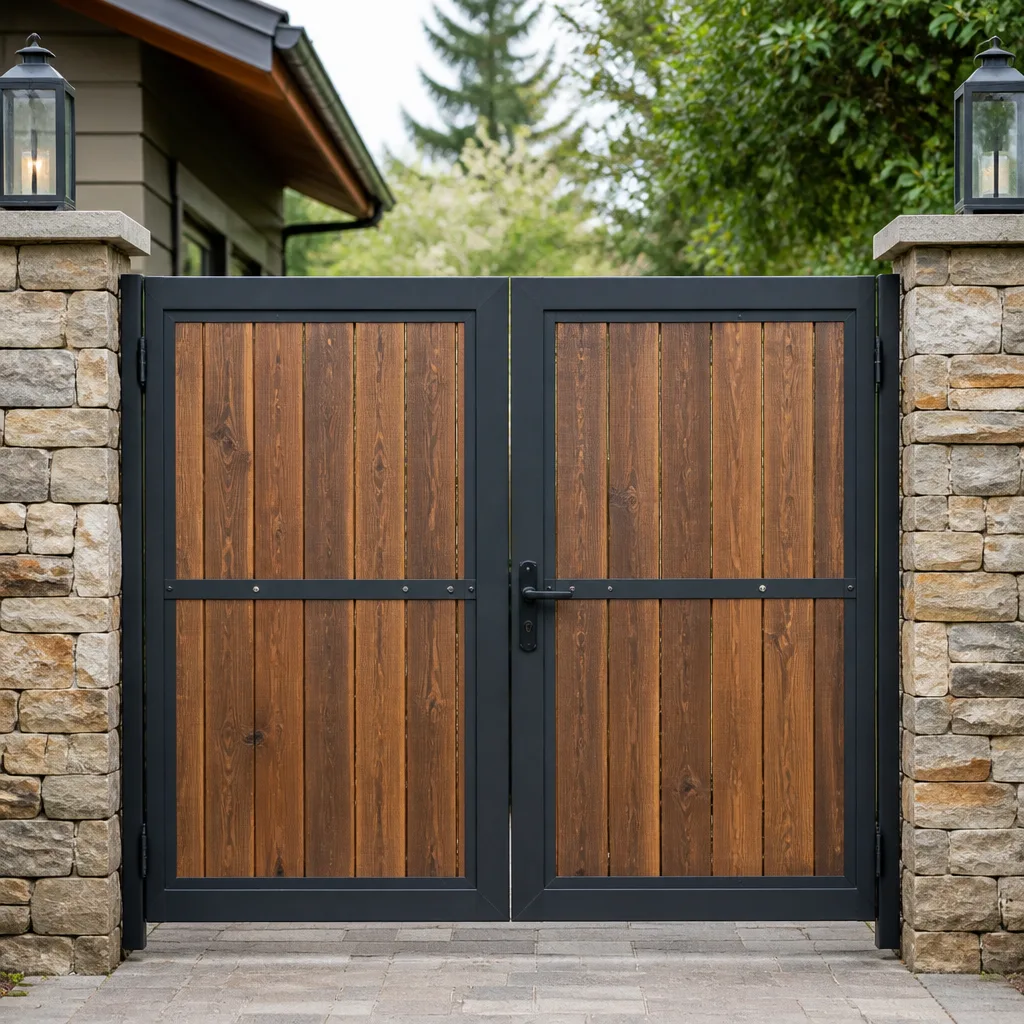 Wood & steel frame
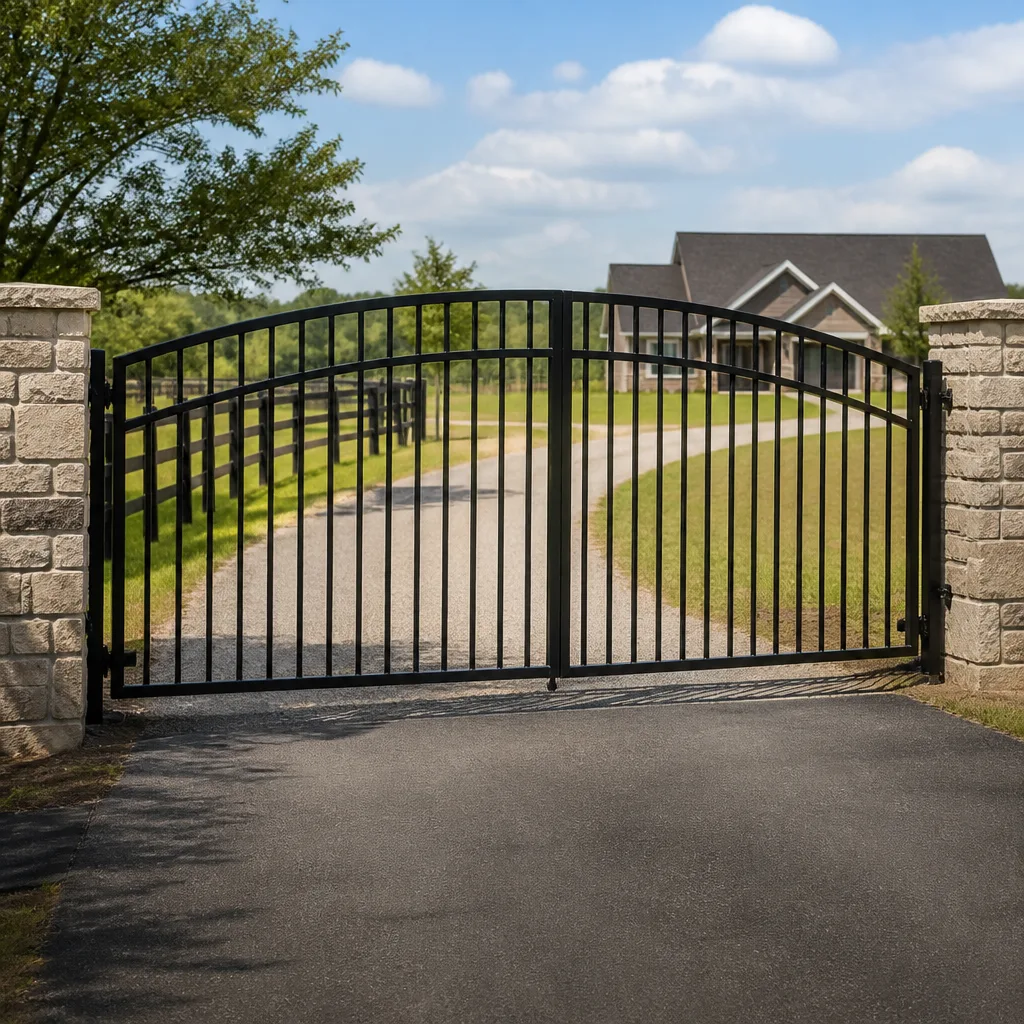 Farm & ranch
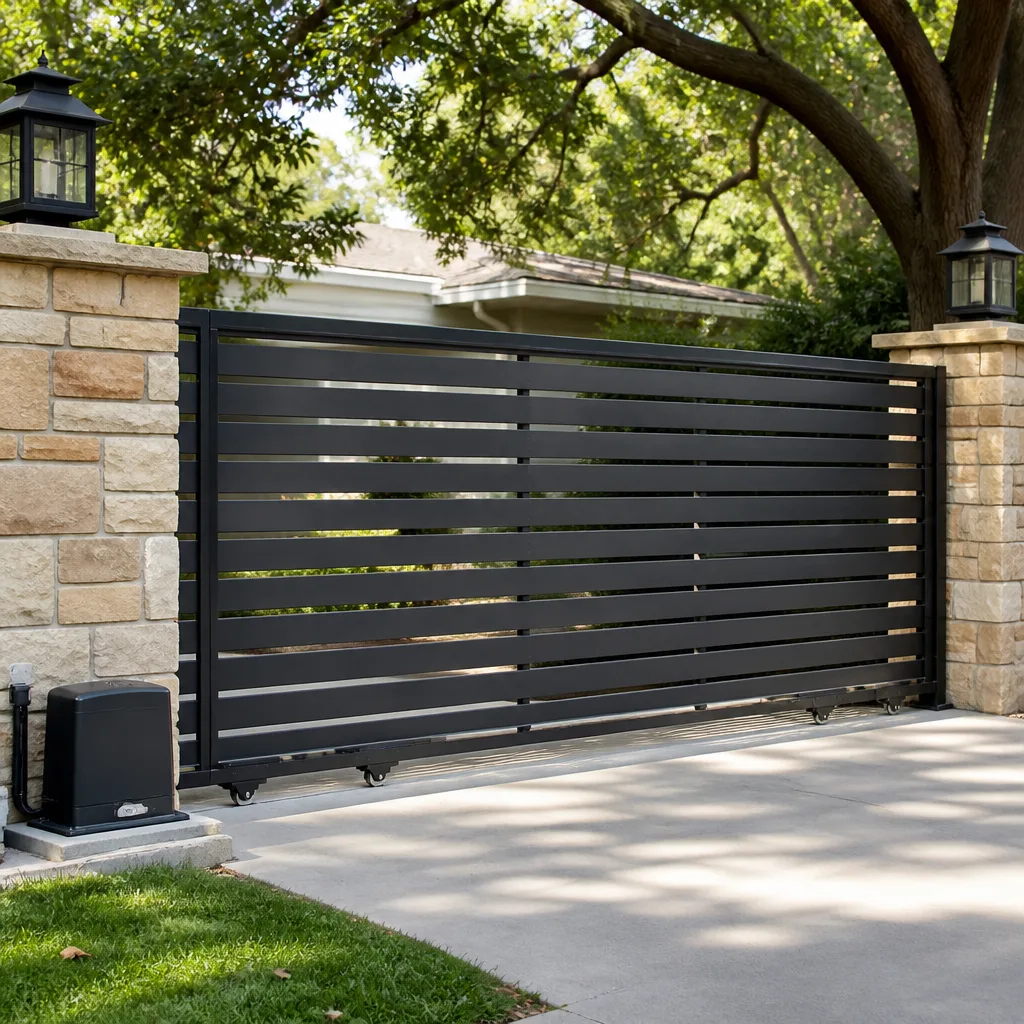 Sliding driveway gates
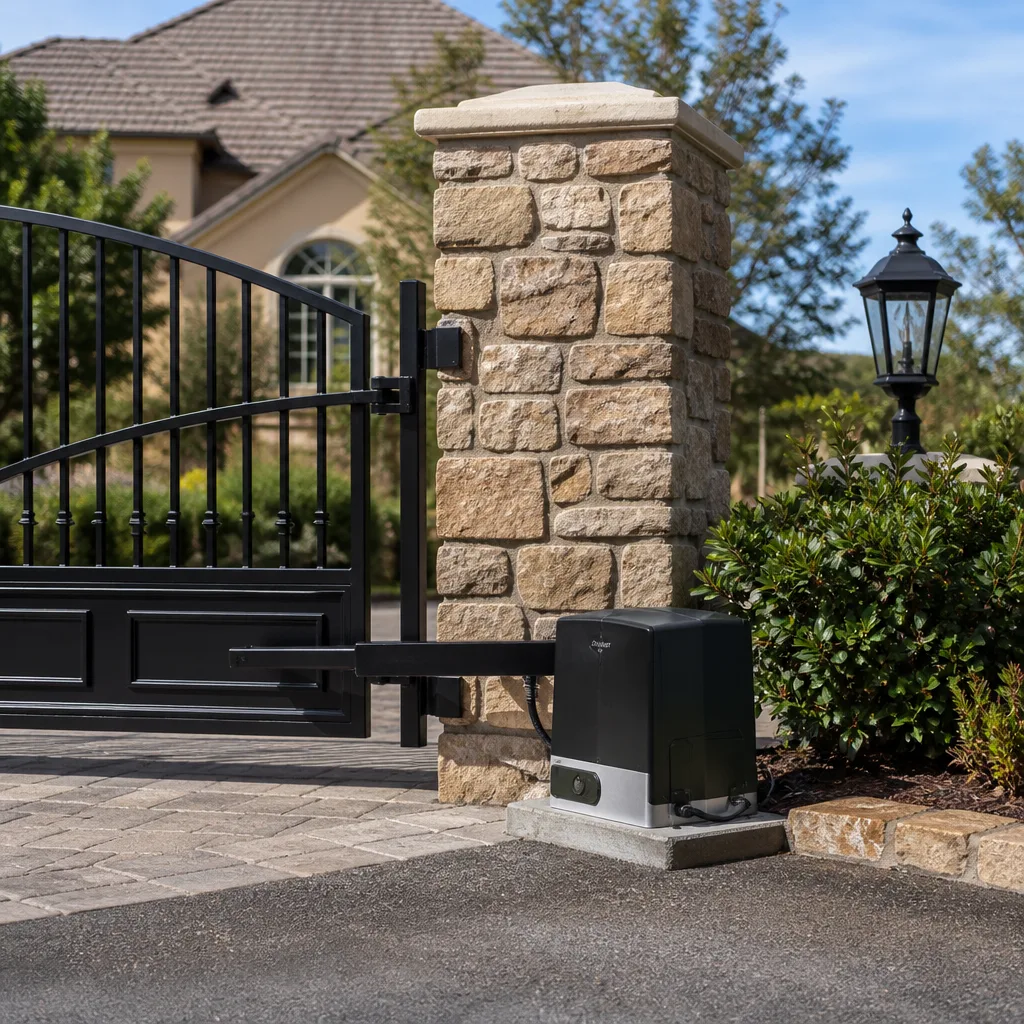 LiftMaster operators
Free on-site gate assessment - hinges, posts, and your LiftMaster or Nice gate operator checked before anything is quoted
The assessment is free and the quote is the invoice.
Get your free estimateGate Repair Permits, Codes & Inspections in CA: What You Need to Know
Most San Diego homeowners assume gate repair never requires a permit. That assumption is wrong often enough to cost real money. The California Building Code draws a line between routine maintenance and an “alteration,” and a surprising number of repairs land on the wrong side of it. This guide explains where that line sits, what San Diego inspectors actually check, and how to avoid a permit problem that stalls a home sale or triggers a failed inspection. For hands-on help, see our Gate Repair services. You’ll learn the specific triggers for gate permits in the City of San Diego and unincorporated county areas, what UL 325 compliance means in practice, and how HOA review runs parallel to the building department.
Quick Answer
Most basic gate repairs in San Diego, such as replacing hinges, welding a cracked frame, or adjusting a manual gate, do not require a permit. However, replacing an electric gate operator, adding or upgrading electrical wiring to a gate, or modifying the gate’s structural footprint can trigger a permit under the California Building Code. UL 325 entrapment protection compliance is mandatory whenever an automated gate is repaired or replaced, even if the original installation predates the current standard.
Styles & brands we work with
Table of Contents
- Repair vs. Alteration: Where the Permit Line Actually Sits
- UL 325 Compliance: The Standard Most Repairs Ignore
- City of San Diego vs. Unincorporated County: Different Rules
- HOA Gate Repair: The Parallel Approval Process
- What a San Diego Inspector Checks at Final
- Liability for Landlords and Commercial Property Managers
- How to Handle a Gate Permit in San Diego: Step by Step
- Common Mistakes to Avoid
Repair vs. Alteration: Where the Permit Line Actually Sits
California Building Code Section 105.2 lists work exempt from permits. Repairs are generally exempt when they replace like-for-like components without changing the structure, electrical load, or operating characteristics of a system. Hinge replacement on a swing gate falls under this. So does replacing a bent gate wheel, a broken latch, or a rusted post cap. In San Diego, these are maintenance items, and the building department does not want to see a permit application for them.
But the code draws a hard line at anything that qualifies as an “alteration.” Alterations require permits. The test is whether the work changes the gate’s original design, its electrical characteristics, or its structural load path. Before you start, review our Gate Repair Troubleshooting: Common Problems and How to Fix Them. Here are the most common gate repairs that cross into alteration territory in the San Diego market:
- Electric gate operator replacement: Swapping a failed operator for a new one changes the gate system’s electrical and safety profile. Even if the new operator bolts into the same location, inspectors treat it as new work because UL 325 compliance must be evaluated on the current standard, not the standard from when the gate was first built.
- Adding any electrical circuit to a manual gate: Running power from a panel to a gate for the first time is new electrical work. It requires an electrical permit at minimum, and in the City of San Diego, a gate permit when the operator is installed.
- Structural changes to the gate leaf or posts: Replacing a rotted wood gate with a heavier steel frame gate changes the load on the posts and footings. If the new gate weighs more than the original, the footings may no longer be adequate. This is an alteration.
- Widening a gate opening: Any change to the driveway opening, post locations, or gate track configuration is a structural alteration requiring a permit.
- Adding a pedestrian gate where none existed: This changes the fence line and the access configuration. Permits are required in both the City of San Diego and unincorporated San Diego County.
In our experience at San Diego Gate Company, the homeowner instinct is to call everything a repair. The building department sees it differently when electrical components or structural dimensions change. The practical rule: if the work affects power, weight, or footprint, assume a permit conversation is coming.
UL 325 Compliance: The Standard Most Repairs Ignore
UL 325 is the national safety standard for automated gate operators, and California enforces it through the building code. The standard exists because automated gates have killed people, mostly children, when entrapment protection failed. If you repair or replace any part of an automated gate system in San Diego, the current UL 325 entrapment protection requirements apply to the entire system, not just the part you touched.
This is the compliance issue most homeowners and even some contractors miss. A gate installed in 2005 with an operator that met the standard then does not necessarily meet the standard now. When you replace that operator in 2026, the new installation must meet current UL 325 requirements, which include:
- Two independent entrapment protection methods: A primary device like an inherent reverse system in the operator, plus a secondary device, typically photo eyes or edge sensors installed at each entrapment zone.
- Monitored entrapment protection: Photo eyes and edge sensors must be continuously monitored. If a sensor fails or is disconnected, the gate must refuse to operate in the automatic mode. Older unmonitored sensors do not satisfy this requirement.
- Warning signage: Each automated gate requires specific warning signs installed on both sides of the gate leaf. San Diego inspectors check sign placement, legibility, and content.
- Reverse force testing: The operator must reverse or stop within specific force and time limits when it contacts an obstruction. This is tested during a permit final inspection.
Here is an example we see regularly in San Diego neighborhoods like Rancho Bernardo and Scripps Ranch: a homeowner replaces a dead LiftMaster operator with a new one through a handyman. The handyman bolts it in, wires it to the existing circuit, and leaves. The gate opens and closes. Six months later, the homeowner sells the house. The buyer’s home inspector flags the gate as non-compliant because it has no photo eyes or monitored edges—classic Gate Repair Warning Signs: A San Diego Homeowner’s Reference Guide. The seller now owes a retroactive permit, a UL 325 compliance retrofit, and a re-inspection before escrow can close on schedule.
Electric gate repair in San Diego that includes operator replacement should always include a UL 325 compliance evaluation. A brand-agnostic technician trained on modern operators can tell you whether the existing entrapment protection meets the current standard or whether the repair legally requires a retrofit.
City of San Diego vs. Unincorporated County: Different Rules
San Diego County has more than one building jurisdiction, and the permit requirements for gate work are not identical across them. The City of San Diego operates its own Development Services Department with its own interpretations. Unincorporated areas like Alpine, Lakeside, and parts of Spring Valley fall under San Diego County’s building division. Incorporated cities such as Chula Vista, Oceanside, and Escondido each have their own processes.
The differences that matter for gate work in San Diego tend to fall into three buckets: permit thresholds, plan check requirements, and inspection scheduling. Here is how the split typically works:
- City of San Diego: Operator replacement on an automated gate that serves a single-family home generally requires a permit when the electrical connection is modified or the operator is new equipment. The City’s online permitting portal accepts simple gate operator applications as “express” permits when the job is limited to operator and safety device replacement on an existing compliant gate. Structural changes to the gate or posts push the application into full plan check, which takes longer and costs more.
- Unincorporated San Diego County: The County applies the same California Building Code but interprets repair exemptions more liberally for like-for-like work. Operator replacement still triggers review when electrical work is involved, but the County’s process for single-family gate work is generally lighter on documentation. In our experience, County inspectors focus on UL 325 safety devices and the electrical connection method rather than reviewing every detail of the gate structure.
- Incorporated cities within San Diego County: Each city sets its own fee schedule and permit thresholds. Some cities require a permit for any electrical work connected to a gate, including a 120-volt branch circuit extension. Others mirror the City of San Diego’s express permit path. The rule for property managers handling gates across multiple cities: do not assume consistency.
If you are in a coastal zone, unincorporated county area, or a designated historic district in San Diego, additional layers can apply. Coastal development permits, archaeological review, and historic board review can all attach to gate work when the gate is part of a larger landscape or hardscape project. A simple gate operator replacement rarely triggers these, but a new driveway gate installation on a coastal property can.
HOA Gate Repair: The Parallel Approval Process
San Diego has one of the highest concentrations of HOA-governed communities in California. In gated communities from Carmel Valley to Otay Ranch, the HOA runs its own approval process for gate work, and that process runs parallel to, and sometimes conflicts with, the city permit process.
The HOA concern is aesthetic and architectural consistency. The building department’s concern is safety and structural integrity. These two concerns do not always align. A common conflict we see: an HOA approves a gate style and material for consistency, but the approved design weighs significantly more than the original gate. The city permit process then fails the footing design, requiring the HOA to amend its architectural standards or the homeowner to request a variance. Neither outcome is fast.
Here is what HOA-managed gate repair in San Diego typically requires:
- Architectural review application: Most San Diego HOAs require a formal application for any change to a gate visible from the street or common area. Repainting the same color often needs approval. Changing the gate style, material, or adding an automated operator always does.
- Board meeting or committee review timeline: Approval can take 30 to 60 days depending on the HOA’s meeting schedule. This timeline runs in addition to the city permit timeline, not instead of it.
- Specific material and color requirements: Many San Diego HOAs maintain a pre-approved palette of gate materials, hardware finishes, and operator brands. If your HOA requires a specific operator brand and that brand is outside your knowledge area, you need a technician who can work across brands. We service DoorKing, Elite, LiftMaster, and Mighty Mule systems, among others, so a brand mandate from an HOA rarely forces a replacement path.
- Post-installation HOA inspection: The HOA will inspect the completed gate for architectural compliance, separate from the city’s safety and structural inspection. Both inspections must pass.
When HOA requirements conflict with building code requirements, the building code wins. The HOA cannot approve a gate configuration that violates the California Building Code. But the homeowner is stuck in the middle, paying for redesigns and delays. A gate specialist who has navigated both processes can flag the conflict before money is spent on materials.
What a San Diego Inspector Checks at Final
When a San Diego gate permit reaches final inspection, the inspector arrives with a checklist that is more specific than most homeowners expect. The final inspection for an automated gate focuses on entrapment protection and electrical safety. For a structural gate alteration, it focuses on footings, hardware, and load path.
Here is what a City of San Diego inspector typically verifies during a gate permit final for an automated system:
- UL 325 entrapment devices are present and functional: The inspector checks that photo eyes are installed at the correct height and cover each entrapment zone. Edges, if required by the gate design, must be mounted securely along the full length of each pinch point.
- Reverse force test: The inspector places an obstruction in the gate’s path and verifies the operator reverses or stops within the force and time limits set by UL 325. The test is repeated at the gate’s leading edge and, for slide gates, at the trailing edge.
- Warning signs: Each automated gate needs specific signage warning of the automatic operation and the entrapment risk. San Diego inspectors check both sides of the gate and both sides of any pedestrian gate controlled by the same operator.
- Electrical connection: The inspector verifies the operator is wired to a GFCI-protected circuit, the disconnect is accessible, and the conduit is properly secured. Flexible cords are not an approved permanent wiring method for gate operators.
- Manual release function: The gate must be operable by hand in a power failure. The inspector will test the manual release and verify the gate can be moved without tools.
- Gate travel limits: The operator’s open and close limits must be set so the gate stops at the correct positions without over-traveling into the track end stops.
For structural gate work, the inspector checks the footings, post embedment, hinge welds, and the connection between the gate and its supporting structure. In coastal San Diego communities, the inspector may also check for corrosion-resistant hardware given the salt air exposure in places like La Jolla, Point Loma, and Imperial Beach.
A failed final inspection resets the clock. The correction period, re-inspection fee, and scheduling delay can add two to four weeks to a project that was otherwise complete. Gate installation in San Diego should be approached with the inspection checklist in mind from the first day, not retrofitted at the end.
Liability for Landlords and Commercial Property Managers
California property law imposes a heightened duty on landlords and commercial property managers who operate automated gates. When a tenant, visitor, or employee is injured by a gate, liability is not evaluated against whether the gate “worked.” It is evaluated against whether the gate met the current safety standard at the time of the incident. A gate that was code-compliant when installed in 2010 can be the basis for liability in 2026 if it does not have current entrapment protection.
This is not a hypothetical risk in San Diego. Entrapment injuries and deaths involving automated gates have produced significant California verdicts and settlements. The recurring fact pattern: a property owner performed repeated repairs on an older gate system without ever bringing the entrapment protection up to the current UL 325 standard. The repair history demonstrates knowledge of the gate system. The outdated safety devices demonstrate failure to meet the standard of care. The result is liability exposure that proper gate repair in San Diego would have eliminated.
For commercial property managers in San Diego, the stakes are higher than for single-family homeowners. Commercial gates serve more users, operate more cycles per day, and are subject to OSHA requirements when employees interact with them. A gate operator failure at a commercial facility can shut down access, create a security vulnerability, and expose the property to claims if a non-compliant system injures someone.
The liability message is simple: if you own or manage a property with an automated gate in San Diego, treat UL 325 compliance as an ongoing obligation, not a one-time installation requirement. Every repair is an opportunity to bring the system closer to current compliance. Every repair that ignores the standard increases the risk.
How to Handle a Gate Permit in San Diego: Step by Step
If your gate project requires a permit, the process in the City of San Diego follows a predictable path. Here is how it works for a typical electric gate operator replacement with a compliance retrofit:
- Determine the jurisdiction: Confirm whether the property is within the City of San Diego, an incorporated city, or unincorporated county territory. This determines which building department processes the permit.
- Gather project details: Document the existing gate system, operator brand and model, and the scope of the proposed work. Photos help. A permit application without a clear scope gets delayed in review.
- Submit the permit application: For simple operator replacements on existing compliant gates, the City of San Diego offers an express permit path through its online portal. For structural changes, full plan check applies, and the review timeline extends to several weeks.
- Complete the work with the inspection in mind: Install the operator, entrapment protection devices, signage, and electrical connection according to the approved scope. Do not schedule the inspection until every UL 325 element is in place and tested.
- Schedule the final inspection: The inspector verifies the UL 325 devices, reverse function, signage, electrical connection, and manual release. If anything fails, the correction and re-inspection cycle adds time and cost.
- Retain the permit record: The finaled permit is a legal document. Keep it. It is the proof you need when selling the home or defending a liability claim.
For homeowners who would prefer not to manage this process themselves, a gate specialist can handle the permit application, the installation, and the inspection coordination as part of a gate installation in San Diego or major repair project.
Common Mistakes to Avoid
- Assuming repair never requires a permit: The repair-versus-alteration distinction trips up more San Diego homeowners than any other permit issue. Electric operator replacement and structural changes are alterations, not maintenance.
- Replacing a gate operator without a UL 325 compliance check: The new operator may work flawlessly while the gate remains legally non-compliant because the entrapment protection was not upgraded to the current standard. This surfaces at home sale or after an incident.
- Using a handyman for electric gate work: Unpermitted electrical work on a gate operator is the most common cause of failed home inspections we see on gate systems in San Diego. The work might function, but it will not pass an inspector’s review.
- Ignoring the HOA process entirely: In HOA-governed San Diego communities, skipping architectural review can force removal of the completed gate work and restart of the entire process. The HOA approval runs parallel to the city permit, not instead of it.
- Assuming the buyer will not care about gate permits: San Diego real estate transactions increasingly include buyer-side inspections that flag unpermitted gate work. A non-compliant gate can delay escrow or force a price concession.
- Replacing one safety device and calling it compliant: UL 325 requires a complete safety system. One photo eye on a slide gate with multiple entrapment zones does not satisfy the standard, and a San Diego inspector will fail it.
- Choosing a gate contractor based on price alone: The lowest bid often excludes the permit, the UL 325 retrofit, and the inspection. The “cheap” repair becomes a five-figure correction when the home is under contract.
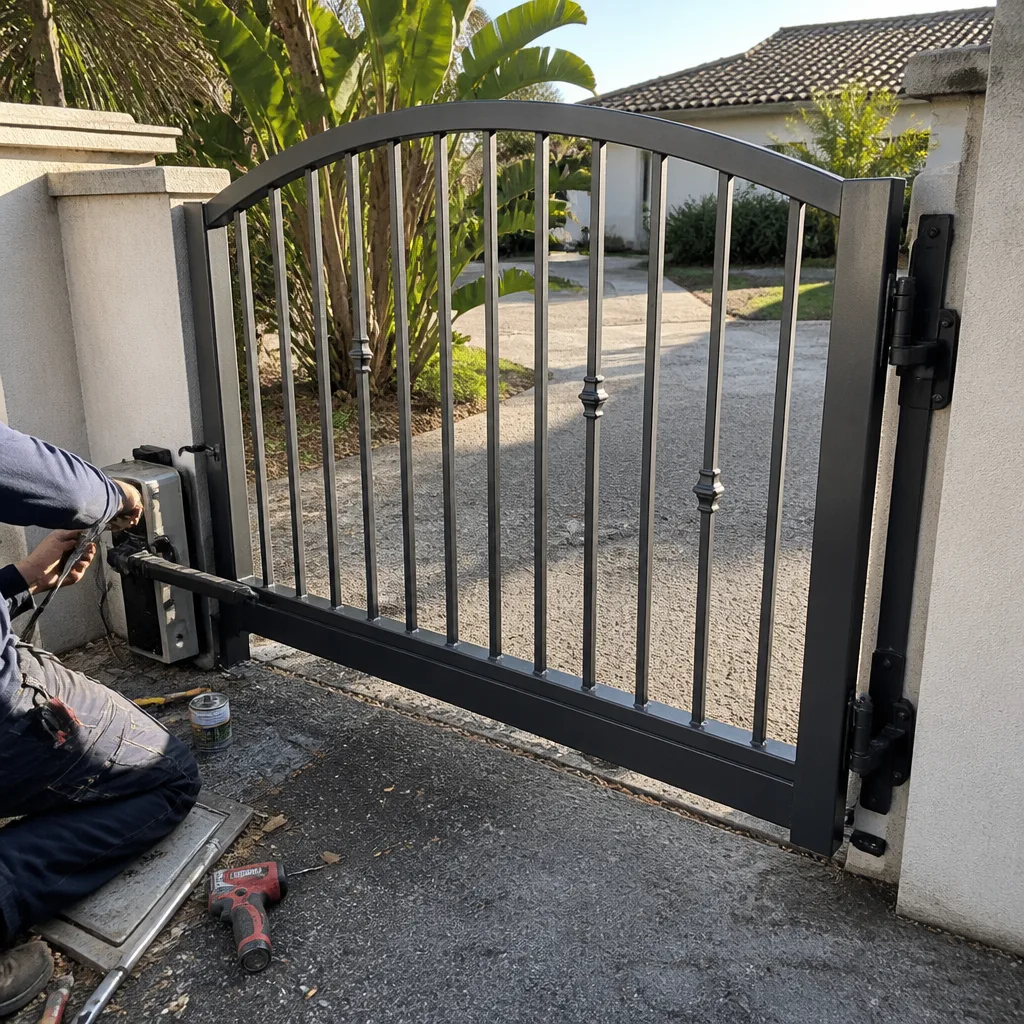
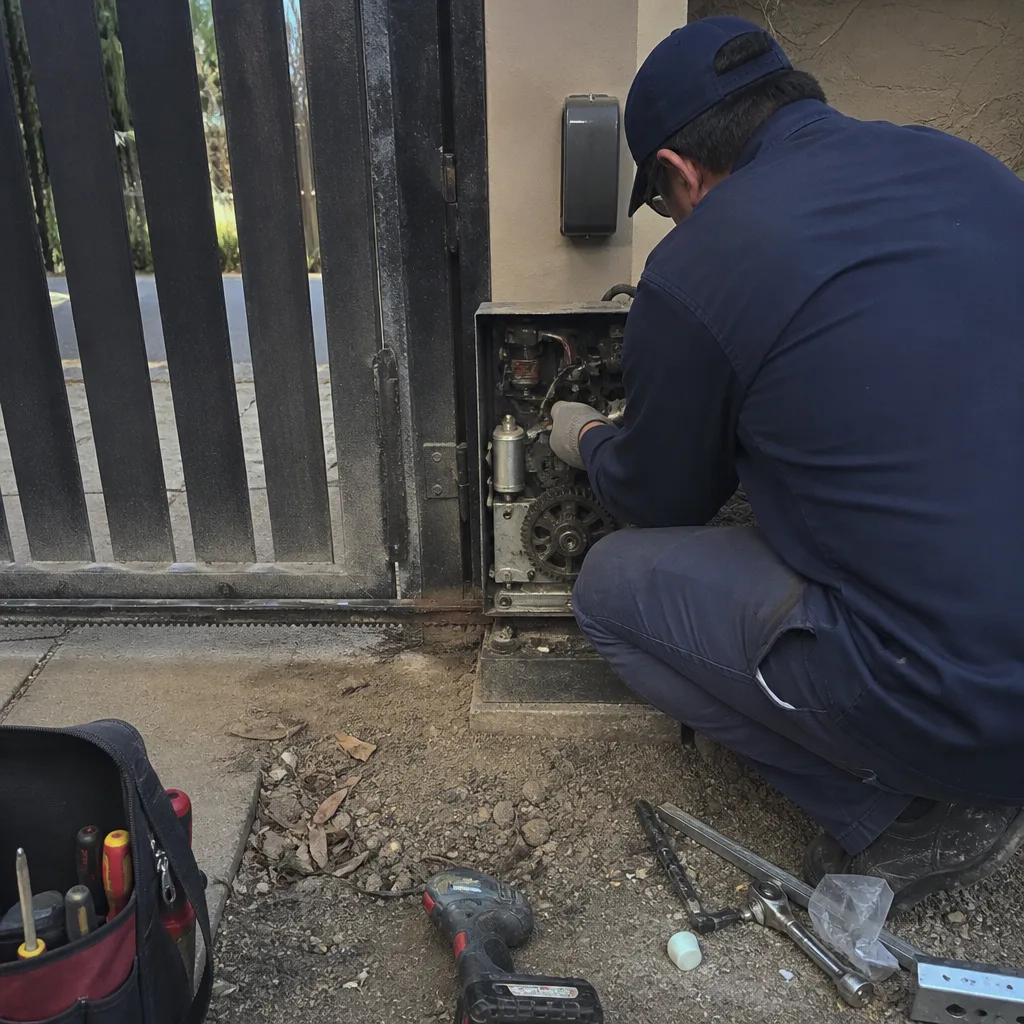
See the difference
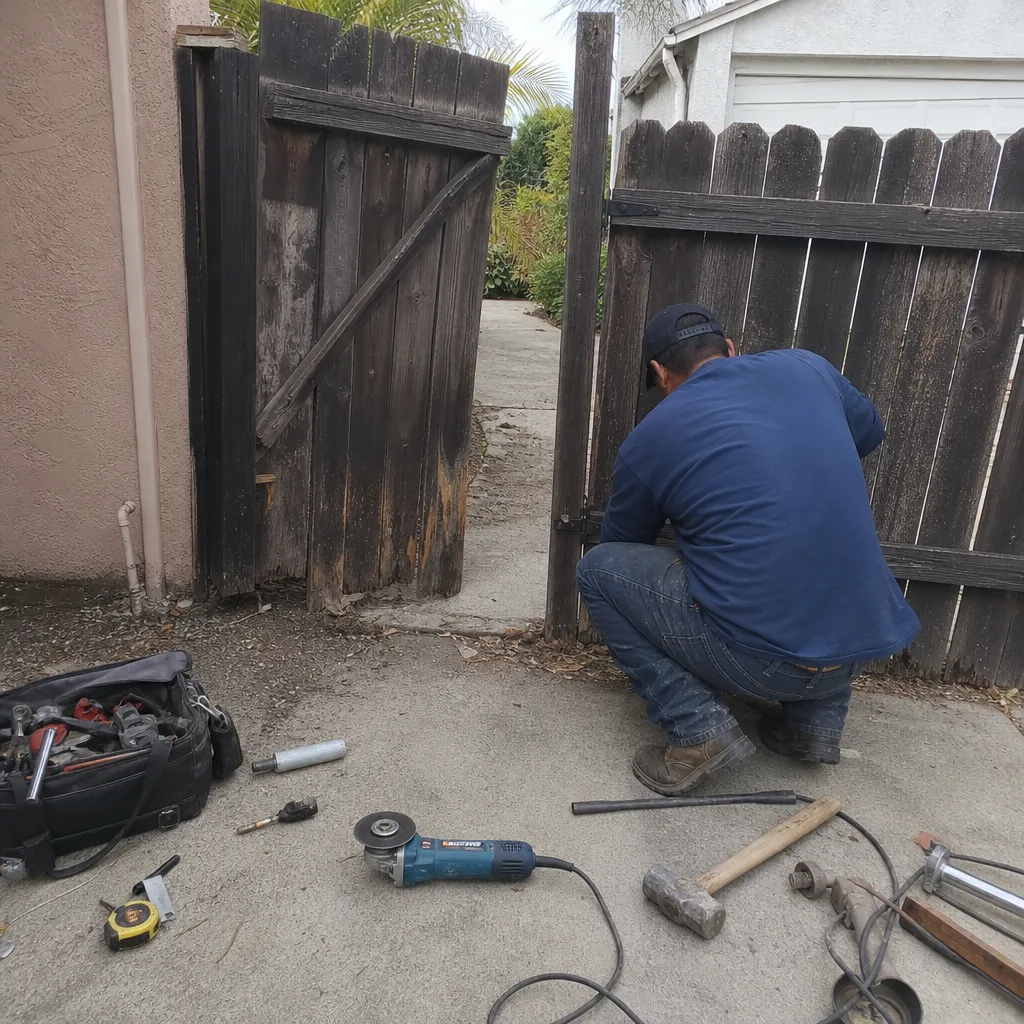 Before
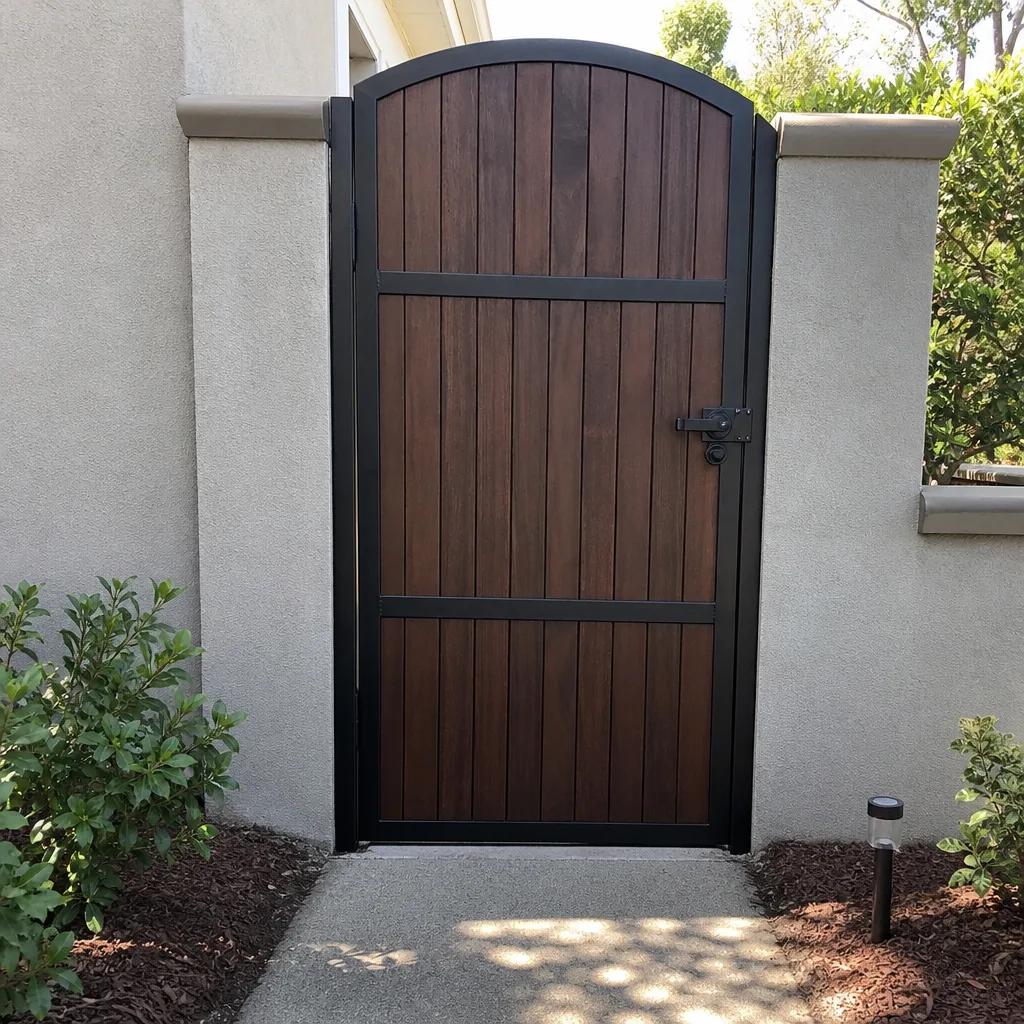 After
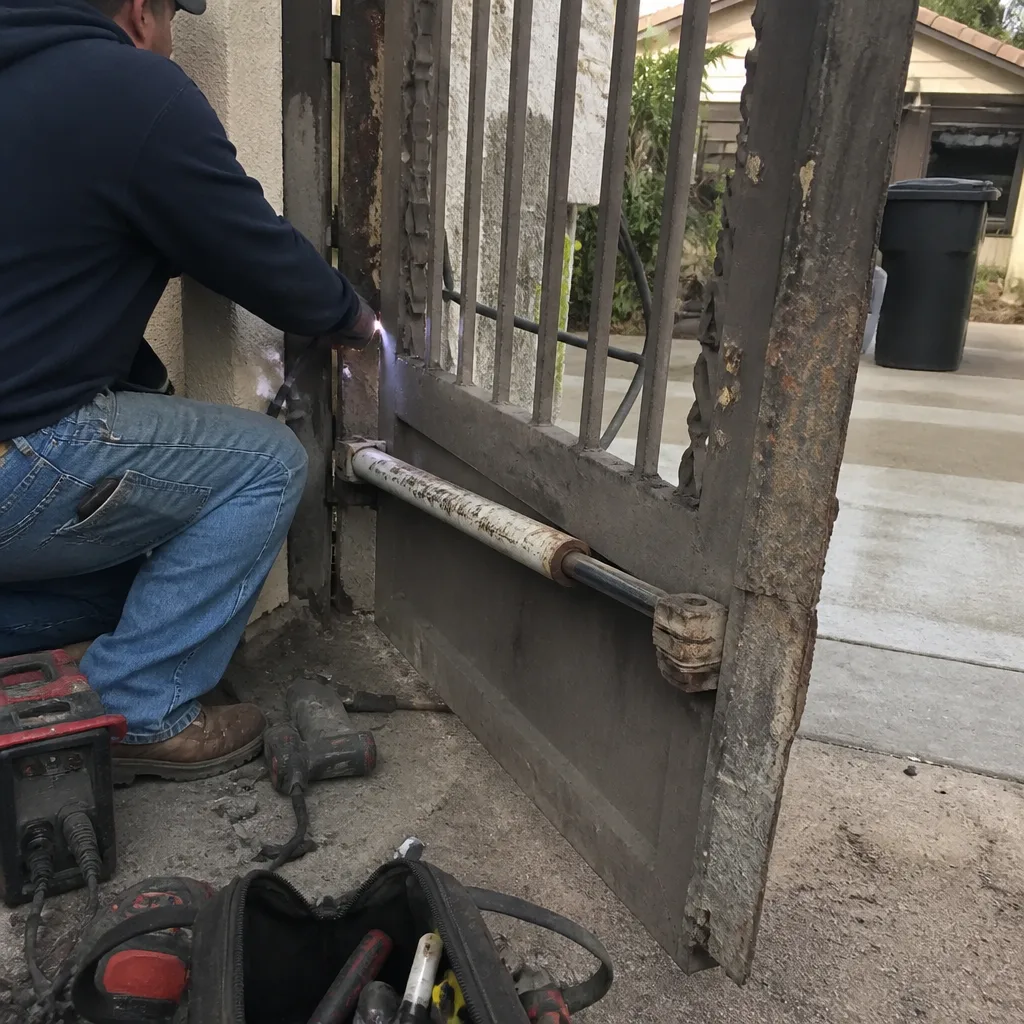 Before
 After
 Before
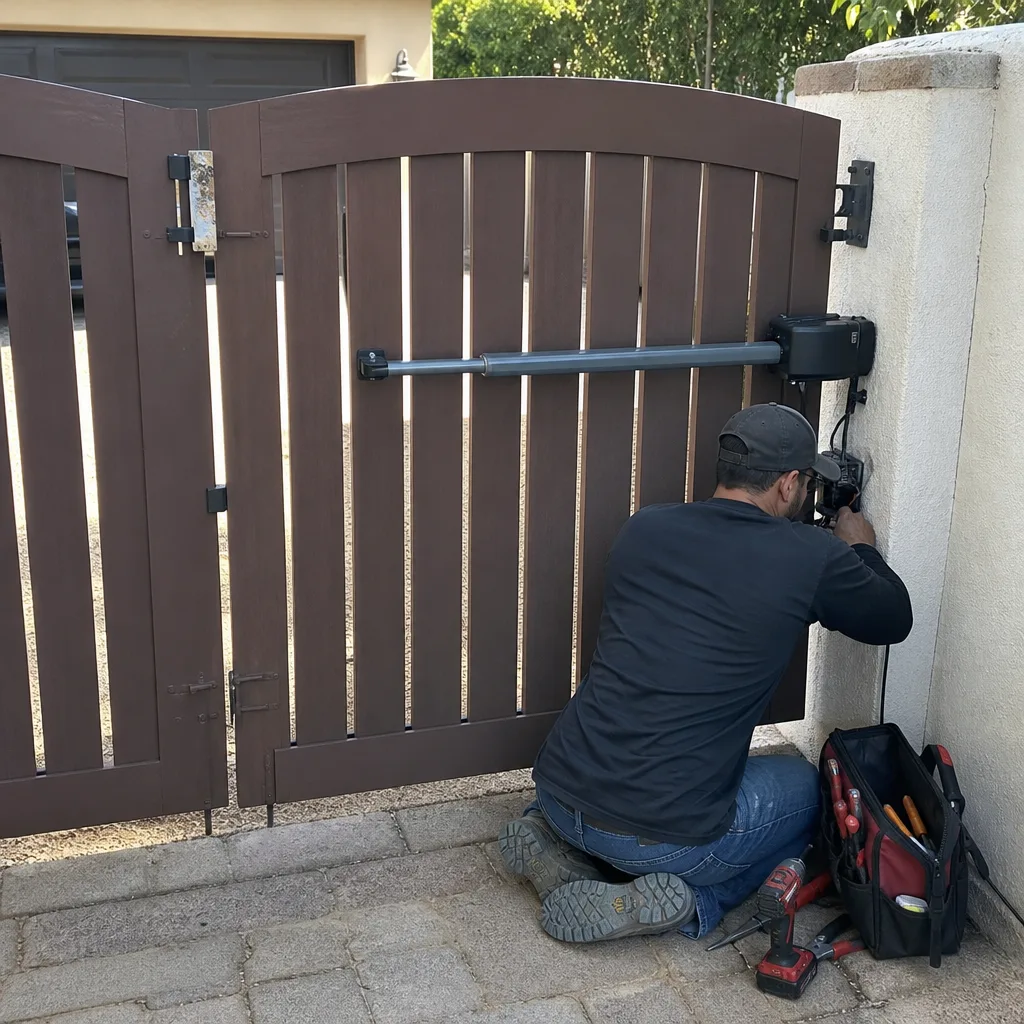 After
When to Call a Professional
Call a gate professional when the work involves electrical wiring, an operator replacement, a structural change to the gate or posts, or any situation where you are uncertain whether the existing system meets current UL 325 standards. Also call if a home sale is pending and an inspector has flagged the gate, if an HOA has conditioned approval on specific operator brands or safety devices, or if the gate has caused any near-miss entrapment event. These are not DIY situations, and the risk of getting the permit or compliance piece wrong is real. San Diego Gate Company offers free estimates in San Diego for gate repair, electric gate repair, and full installations. Call (877) 517-5469 to schedule yours.
Frequently Asked Questions
Most basic repairs like hinge replacement, latch adjustment, or welding a cracked frame do not require a permit in San Diego. You do need a permit when the work qualifies as an alteration, which includes electric operator replacement, new electrical wiring to the gate, structural changes to the gate leaf or posts, or changes to the gate opening size. Call (877) 517-5469 if you are unsure which category your project falls into.
Gate permit fees in the City of San Diego vary based on the project scope and whether the application qualifies for the express permit path or full plan check. Simple operator replacements on existing compliant gates run through the express process at a lower fee, while structural work requires plan check with higher fees. The total cost also depends on whether electrical permits are bundled into the same application. For an exact cost on your specific project, call (877) 517-5469 for a free estimate.
UL 325 is the national safety standard for automated gate operators that sets the entrapment protection requirements. It matters because California enforces this standard through the building code, and any automated gate repair or replacement legally requires bringing the system into compliance with the current standard, not the standard from when the gate was originally installed. Non-compliant gates create liability exposure and fail city inspections.
Repair scheduling depends on the nature of the problem and current technician availability in San Diego. Emergency repair for safety-critical failures like a gate that will not close is prioritized. For a standard repair or a quote, call (877) 517-5469 and we will give you the earliest available time.
No. HOA approval and city permits are separate processes that run in parallel. The HOA reviews the gate for architectural and aesthetic compliance with community standards. The building department reviews it for structural integrity, electrical safety, and UL 325 compliance. Both approvals are required in HOA-governed communities, and neither substitutes for the other.
Yes, it can. Buyer-side home inspectors in San Diego increasingly flag unpermitted gate operator replacements, and lenders may require permit retrofits before funding. The most common failure is a gate that lacks current UL 325 entrapment protection. The retrofit, permit, and re-inspection can add weeks to escrow and thousands in unplanned cost. Call (877) 517-5469 to have your gate evaluated before listing your home.
The Bottom Line
Gate permit requirements in California are not complicated once you understand the repair-versus-alteration distinction, but the consequences of getting it wrong are real. An unpermitted operator replacement can stall a San Diego home sale. A UL 325 non-compliance issue can create liability that insurance will not cover. HOA approvals and city permits run on separate tracks, and both matter. The safest approach is to treat any gate work involving electricity, structural change, or operator replacement as a permit conversation from the start. A gate specialist who knows the San Diego permitting landscape can save you months of delay and thousands of dollars in retrofit costs. For more guides & resources, visit our blog.
Written by the team at San Diego Gate Company, serving San Diego since 2018.